UnB launches Cannabis Observatory to legitimize national production and map therapeutic use
Initiative creates unprecedented database to analyze the quality of oils from patient associations and boost clinical trials in Brazil

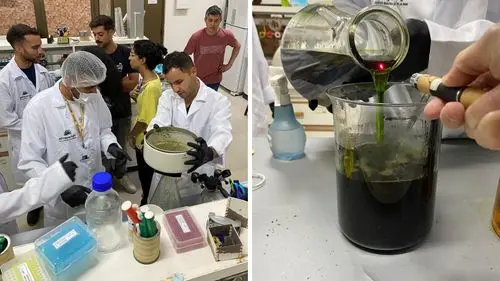
The University of Brasília (UnB) is about to formalize a pioneering initiative in the Brazilian scientific and public health scenario: the creation of the Cannabis Observatory (OBCann). The project has already been approved by the boards of the Institutes of Biology, Chemistry, and the Ceilândia School.
The initiative is born with the ambition to fill a historical gap in product standardization. The central objective is quality control and the scientific legitimization of derivatives used by thousands of patients in the country.
Currently, the Cannabis Observatory is in the final stages of bureaucratic procedures for the approval of its internal regulations. The registration is being carried out with the Dean of Research and Innovation (DPI) of the university.
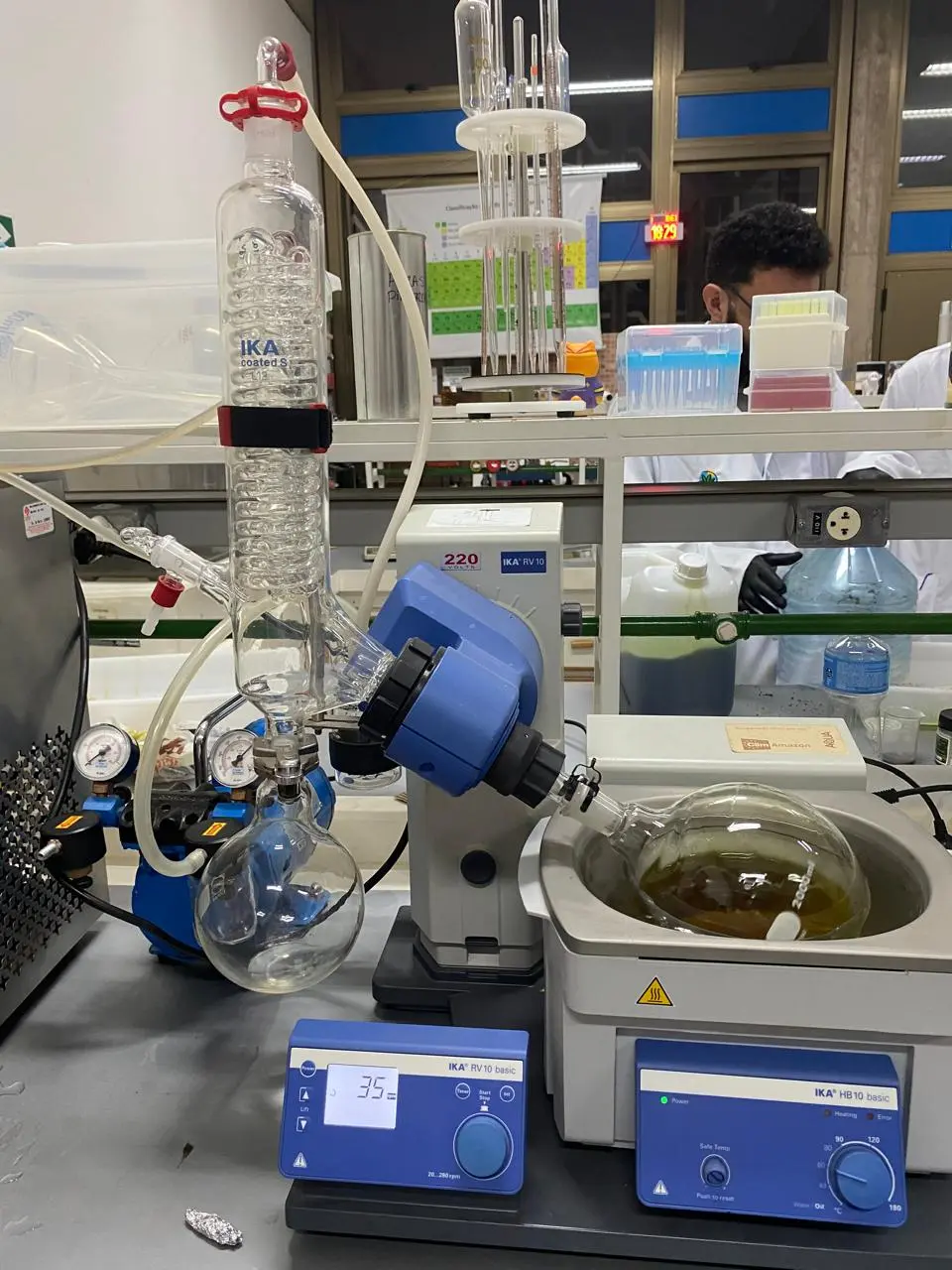
The project foresees the effective start of data collection and laboratory analysis for the next year. The wait is due to a crucial technical factor, which is the arrival of high-precision equipment.
Fernanda Vasconcelos de Almeida, Associate Professor at the Institute of Chemistry of UnB, explains that the laboratory is awaiting the delivery of a High-Performance Liquid Chromatograph (HPLC). The device will be dedicated exclusively to the project.
"The collection will take place next year. The equipment has already been acquired, and we are waiting for its arrival," says the professor.
Quality control and the role of the Observatory
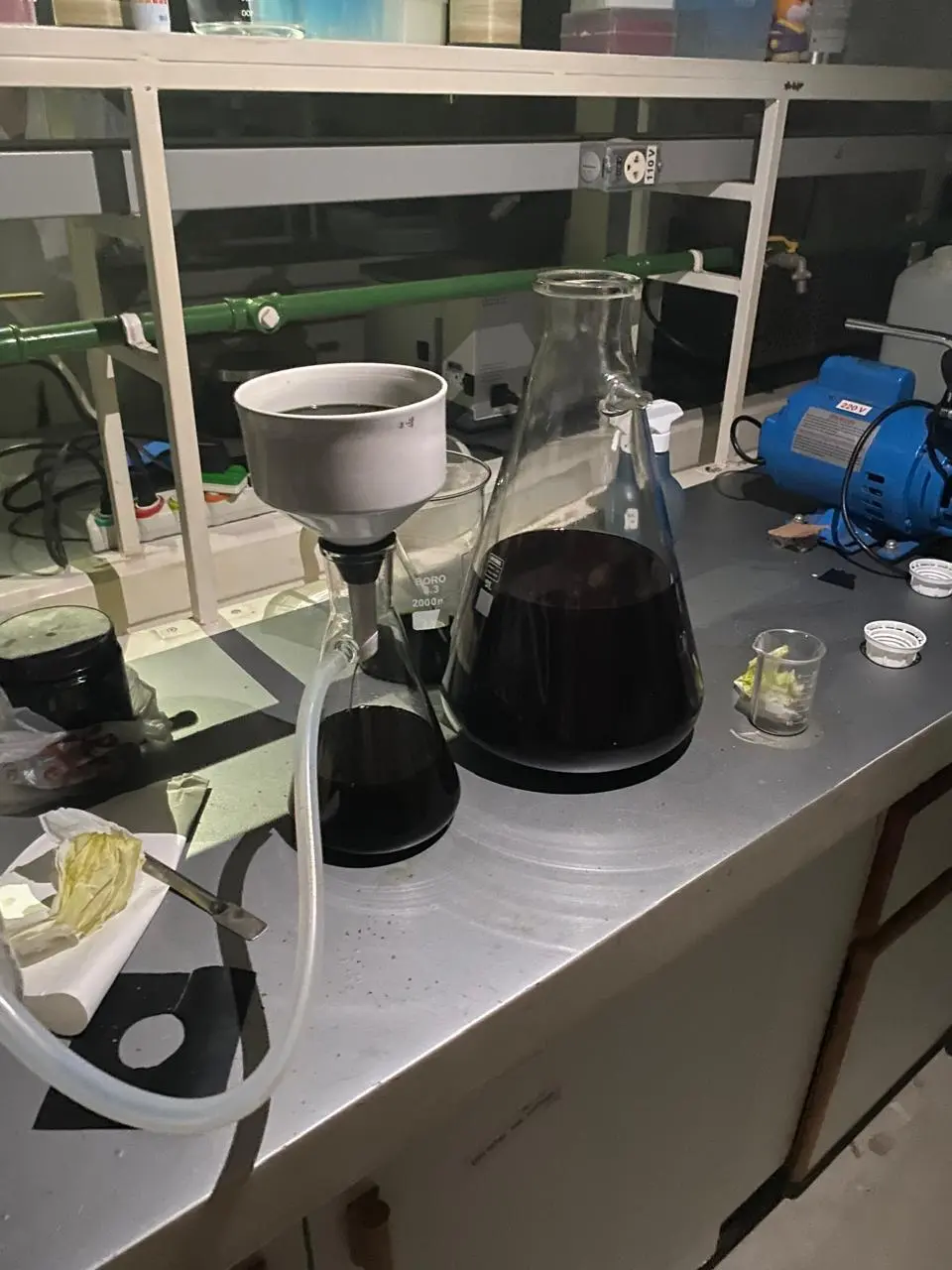
One of the central pillars of the Cannabis Observatory is the CIPCAM project, focused on the chemical analysis of oils produced by patient associations. The goal goes far beyond simply confirming the presence of cannabidiol (CBD), tetrahydrocannabinol (THC), and other cannabinoids in the product. The aim is to create a map of national production.
Associations that send their oils for analysis will be required to fill out detailed forms. Data on cultivation methods, drying, extraction, and dilution used in the production process will be requested.
In return, these entities will receive complete reports on the presence of cannabinoids and terpenes. This exchange of information will feed a robust database for research.
"The goal is to build a database and understand what kind of seed is being planted in the Federal District, in Pernambuco, in Pará... How these seeds express themselves in different regions, in different soils, and other aspects," details Fernanda.
The researcher also emphasizes the importance of research for associations. "Once the association is collaborating with universities and trying to better understand the quality of their oils, naturally, it is already an indication that they are concerned with improving their production processes," she concludes.
The lack of standardization in current private laboratories is a concern that the Cannabis Observatory aims to mitigate. The team plans to use internationally certified samples to validate their methods and perform cross-validations with other laboratories.
Pillars of action
To consolidate the necessary medical and legal legitimacy, the Cannabis Observatory has structured its activities in three main areas. The coordination describes this strategy as closing the "cannabis circuit in the country."
- Scientific Repository: Creation of a broad library organized by themes and health issues, gathering global studies on the plant.
- Clinical Research: Fundraising to lead robust and methodologically controlled clinical trials, testing the effectiveness of national products.
- Laboratory Analysis: Certification of the composition of extracts and oils, ensuring traceability and patient safety.
Seeking medical and legal legitimacy
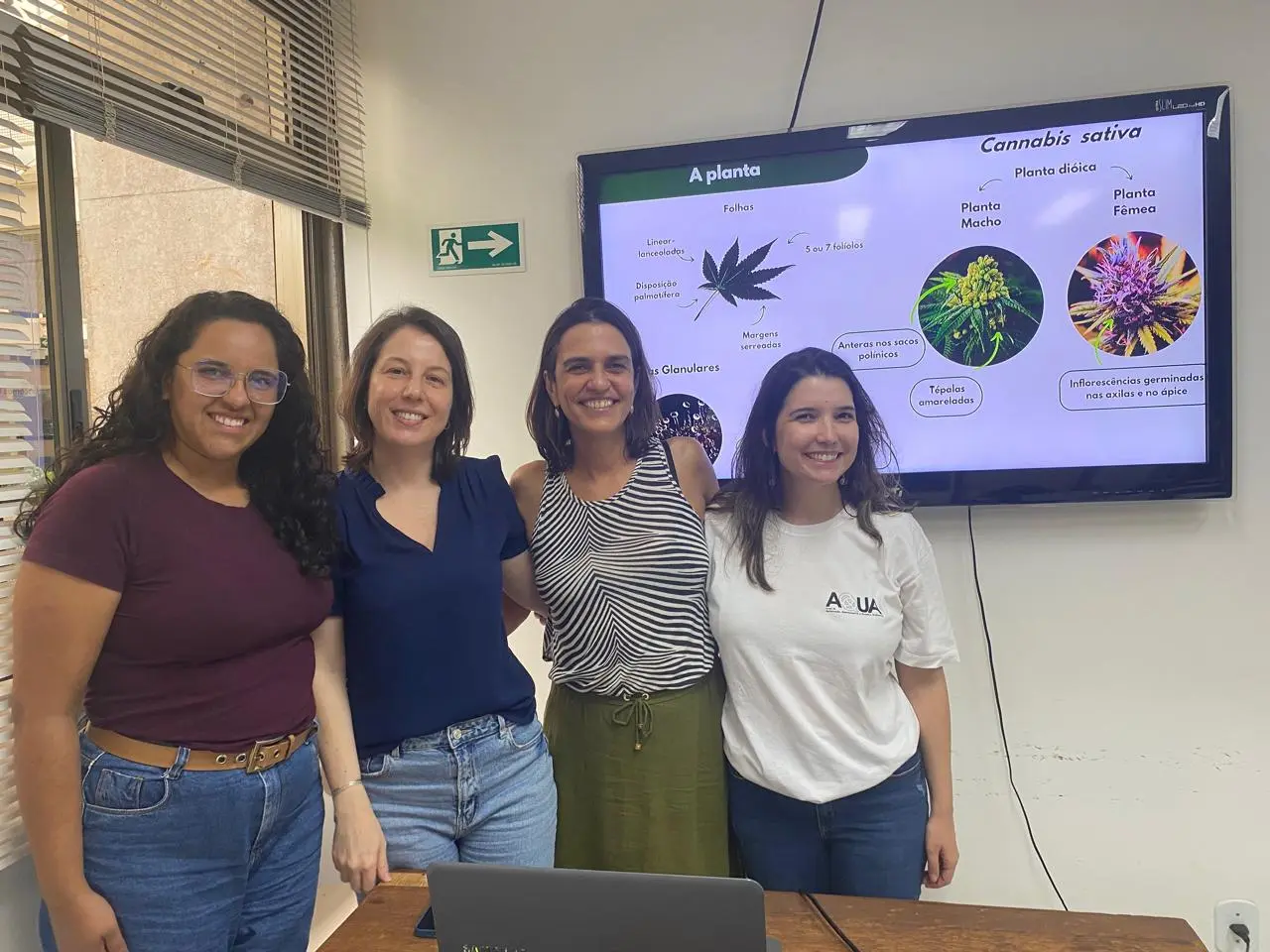
If on the chemical side the goal is precision, on the clinical side, the urgency is safety and expanding access. Andrea Donatti Gallassi, Associate Professor at the Faculty of Health Sciences and Technologies at UnB and project coordinator, highlights the existence of pent-up demand.
According to Gallassi, the market and patients demand certifications that guarantee the composition of what is being consumed. "The path is to present good manufacturing practices and adequate analyses of cannabinoids," she explains.
"Entities need a label that corresponds exactly to what is found in the product, that is, how much cannabinoid is in each drop," the coordinator adds.
The vision is ambitious. Elevate the standard of Brazilian associations. The goal is for them to be able to engage on equal terms with the pharmaceutical industry and regulatory bodies.
"Our expectation is to help these associations increasingly solidify themselves as legitimate institutions to provide these medications to people and also, perhaps, to the SUS in the near future," Andrea projects.
"All of this aligns with the goal of people having increasingly quality control of their products that is on par with what major pharmaceutical companies have," she concludes.
Mapping health conditions
Another focal point of the Cannabis Observatory will be mapping the health conditions that lead Brazilians to seek treatment. Andrea Gallassi notes that science has already moved beyond the phase where the discussion was limited to refractory epilepsy.
Today, evidence and clinical practice point to a much broader spectrum. This includes mental health, neurodegenerative diseases, and chronic pain. The Observatory intends to use the data collected from associations to empirically demonstrate the effectiveness of these uses. The idea is to prompt the conduct of new controlled studies.
"If you observe that there are patients with many indications for use for depression, anxiety, insomnia, fibromyalgia, every time you will think 'Wow, we have this data from Brazilian associations showing that most people are using cannabis for anxiety'," Gallassi concludes.