"Unfortunately, it starts in graduate courses," says doctor about the reality of cannabis education in Brazil
João Carlos Normanha criticizes the absence of the topic in undergraduate programs and advocates for comprehensive training of professionals from the beginning of their careers
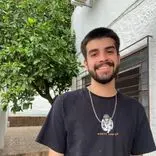
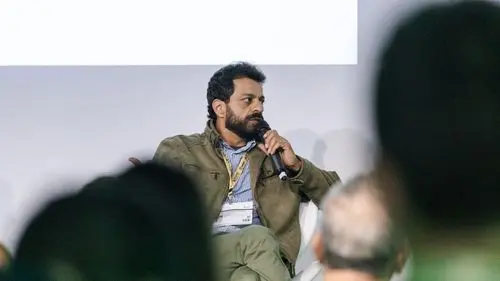
Present as a speaker at the 4th edition of the Brazilian Congress on Medicinal Cannabis, held in May 2025, doctor João Carlos Normanha issued a direct warning: cannabis education is still neglected in Brazilian universities.
Having been prescribing since 2017, João understands the practical challenges faced by professionals wishing to enter the market. As the coordinator of the graduate program at Unyleya College — a pioneer in cannabis specialization courses in Brazil — he highlights the absence of content about the plant in undergraduate programs, especially in the health field.
“Cannabis education, unfortunately, only starts in graduate school. When, in fact, it should be present from the undergraduate training of professionals,” the doctor stated during his lecture.
Gaps being filled
Although still sporadic initiatives and optional in nature, some Brazilian federal universities have been standing out by trying to fill a historical gap in health training. The Federal University of Paraíba (UFPB), for example, has offered a course aimed at Biomedical students since 2019, also accessible to Medicine and Pharmacy courses.
The Federal University of São João del-Rei (UFSJ) offers an optional course in the Medicine program, while the Federal University of Santa Catarina (UFSC) includes the topic in both the Veterinary Medicine undergraduate program and the Graduate Program in Neurosciences.
The Federal University of Rio Grande do Norte (UFRN), in turn, includes content on the therapeutic use of cannabis — especially in cases of epilepsy and chronic pain — in training aimed at the health field.
In addition to initiatives in public institutions, private universities are also beginning to advance in teaching about the endocannabinoid system and its clinical applications, offering extension courses, graduate programs, and complementary training.
Lack of qualified professionals affects the entire production chain
In addition to the scarcity of academic content, Normanha also draws attention to the difficulty of finding qualified professionals in different areas.
According to him, the gap is not restricted to medicine. Agronomy, law, pharmacy, and other areas linked to the cannabis production chain also suffer from a lack of adequate training.
“This is still our biggest obstacle: ignorance fuels stigma and prevents organized learning about the topic.”
Recognized as the main scientific and professional event in Latin America on medicinal cannabis, the Brazilian Congress on Medicinal Cannabis opens its doors for professionals from different sectors to update and train on the topic. The 2025 edition reinforced the congress's role as a meeting point between science, market, and education.
Follow João Carlos's speech:
Cannabis nursing on the agenda
Among the recent advances in training, Unyleya College launched a lato sensu graduate program focused exclusively on Cannabis Nursing. With 480 hours of coursework, the program is offered in a 100% online format.
The training aims to equip nurses to act ethically, safely, and based on science. Among the objectives are the development of individual therapeutic projects, monitoring of care, and guidance for families and caregivers.
While the role of nurses in the area still awaits specific regulation by the Federal Nursing Council (Cofen), international recognition is growing. In the United States, for example, the American Nurses Association (ANA) already recognizes Cannabis Nursing as a specialty.
What is the Endocannabinoid System?
The Endocannabinoid System (ECS) is a sophisticated network of glyco-physiological regulation discovered in the 1980s and 1990s, composed of receptors (CB1 and CB2), endocannabinoids (such as anandamide and 2-AG), and metabolic enzymes. It is present in virtually all organic systems — including nervous, immune, digestive, cardiovascular, and reproductive systems — acting to maintain homeostasis, or the internal balance essential for the healthy functioning of the body.
When this system is dysregulated, various pathologies arise, requiring mechanisms to establish its normal function.
Prof. Dalla Colletta, founder of the Dalla Institute — a platform dedicated to cannabis education — emphasizes that traditional health training exhaustively addresses all organic systems, except the ECS, an omission that urgently needs to be corrected.
She reinforces that endocannabinoids are key players in human physiology and that phytocannabinoids from Cannabis, especially THC and CBD, function as modulators of this system, offering viable and accessible pathways for treatments in cases of chronic pain, epilepsy, and inflammatory disorders.