Cannabis cultivation in Brazil: producing to compete
Cannabis cultivation in Brazil: genetics, costs, and regulation will be under debate at Cannabis Connection 2026. Learn more on Portal Sechat.


The advancement of regulations for cannabis cultivation for medical and pharmaceutical purposes presents a new challenge for the Brazilian market: transforming the possibilities set out in the rules into a production chain capable of competing with international suppliers. Agricultural research, cultivar development, availability of seeds and clones, and economic viability are among the factors that could determine the future of domestic production.
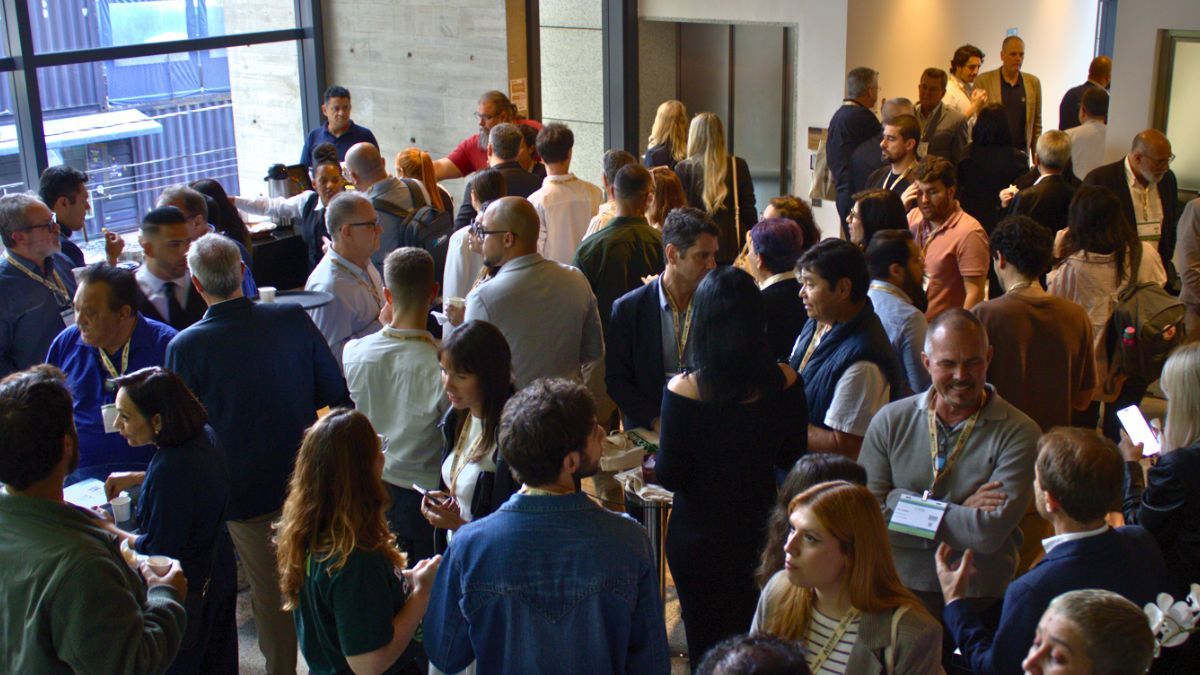
The topic will be one of the highlights of Cannabis Connection 2026, an event taking place on November 5 in São Paulo, bringing together representatives from research, industry, agribusiness, and regulation to discuss opportunities and obstacles to the sector's development.
Among the participants is Beatriz Marti Emygdio, a researcher at the Empresa Brasileira de Pesquisa Agropecuária (Embrapa) and chair of the institution's Permanent Strategic Advisory Committee on Cannabis. When addressing the challenges of domestic production, the researcher summarized the issue: “It is not enough to regulate cultivation; we must regulate to compete.”
The statement captures one of the main discussions for the sector: the existence of rules for cultivation does not, on its own, guarantee that Brazil will be able to produce raw material with quality, scale, and competitive costs.
Genetics and costs are among the challenges of domestic production
The development of a Brazilian production chain depends on factors that go beyond cultivation authorization. The availability of genetics adapted to the country's climate and soil conditions, the development of cultivars, phytosanitary control, standardization of raw materials, and the supply of seeds and clones are crucial elements for structuring the activity.
Production costs also influence the viability of projects. Companies interested in entering this market must consider regulatory requirements, the necessary infrastructure, raw material processing, and commercial conditions to serve the industry.
Agricultural research can contribute to developing varieties suited to Brazilian conditions and generating the technical expertise needed for production. The coordination among research, cultivation, processing, and industry will be vital in assessing the stages where the country can build competitive advantages.
Regulation sparks discussion on business opportunities
Sanitary regulations for activities related to cannabis now include new provisions for research and cultivation for medical and pharmaceutical purposes. The conditions established for varieties with THC content equal to or lower than 0.3% are also part of discussions regarding the organization of this production chain.
The authorizations provided under the regulation, however, do not mean unrestricted cultivation. Operations must adhere to the requirements applicable to each activity, including sanitary standards related to processing, manufacturing, and product quality control.
In this context, understanding the regulatory landscape is essential for companies evaluating investments in research, input supply, agricultural production, and product development.
The debate also encompasses the relationship between domestic production and the import of cannabis-based products. Growing domestic demand represents a potential opportunity, but it does not automatically guarantee a market for raw materials grown in the country. Competitiveness will depend on the ability to meet technical specifications, regulatory standards, and commercial conditions set by buyers.
Experts discuss the future of the production chain
Cannabis Connection 2026 will bring together professionals from diverse fields to discuss the factors influencing the development of the Brazilian market.
In addition to Beatriz Marti Emygdio, the program includes Ana Cecília Carvalho, specialist in medicines and herbal remedies regulation at the Agência Nacional de Vigilância Sanitária (Anvisa); Carolina Sellani, coordinator of the Cannabis Inputs Working Group at the Associação Brasileira da Indústria de Insumos Farmacêuticos (ABIQUIFI); and Leonardo Navarro, legal director of the Instituto de Conexão e Regulação (ICR).
The schedule will also feature representatives from the pharmaceutical industry, retail, research, and businesses operating in the cannabis market. The goal is to bring together regulatory, technical, and commercial perspectives to discuss the conditions necessary for the sustainable growth of the sector.

According to Daniel Jordão, CEO of Sechat, the challenge lies in transforming Brazil's potential into competitive capability. The discussion on cultivation is part of this movement by addressing how research, regulation, and investment can contribute to structuring a domestic production chain.
Cannabis Connection 2026 will be held on November 5, starting at 2:00 PM, at the Edifício JK 1600, in São Paulo.
Event Details — Cannabis Connection 2026
- Date: November 5, 2026
- Time: starting at 2:00 PM
- Venue: Edifício JK 1600
- Address: Avenida Presidente Juscelino Kubitschek, 1600, Itaim Bibi, São Paulo (SP)
- Information and registration: https://cannabisconnection.com.br/
Related entities: Embrapa, Anvisa, ABIQUIFI and Cannabis Connection 2026.