Cannabis in Germany: flowers are no longer reimbursed
Cannabis in Germany faces a new judicial chapter: understand why a patient lost reimbursement for medical flowers and what could change.

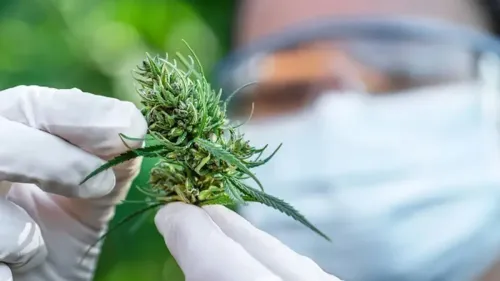
Cannabis in Germany - In a country where access to medical cannabis has undergone major changes in recent years, a court decision has once again put patients at the center of the debate. In Germany, a court rejected a patient's request to maintain public health insurance coverage for cannabis flowers used in the treatment of a neurological disease. The decision is not yet final.
What happened in Germany?
The patient, who suffers from idiopathic dystonia, had been receiving cannabis flowers for three years to manage the symptoms of the condition. The health insurer had approved the treatment in 2023.
Following a change in German legislation, however, dried flowers were removed from the catalog of medications reimbursed by statutory health insurance, known as the GKV.
The patient turned to the courts to try to maintain coverage, arguing that she could not tolerate the available alternative treatments. The Social Court of Frankfurt dismissed the request in the first instance.
The change took effect on July 30, 2026, without establishing a specific transitional rule for patients who already had authorized treatments.
This means the decision does not prohibit the use or prescription of flowers. The main impact is on financing: patients can continue to obtain the product with a private prescription, but must cover the cost themselves.
LEARN MORE: Understand the new rules for medical cannabis in Germany
Medical cannabis for previously treated patients
The case draws attention precisely because it involves an individual who already had authorization to receive treatment.
According to the publication Cañamo, the cannabis in Germany patient argued that she was unable to use alternative medications. The court decision, however, considered that the exceptional conditions required to mandate public insurance coverage for a benefit that had been removed from the legislation were not met.
The issue is still far from settled.
In September, other German courts reached different decisions in cases involving patients who already had authorization to receive cannabis flowers. In Dresden, for example, a court provisionally ordered the continued supply to another patient. In Leipzig, however, a similar request was rejected.
The divergence shows that the enforcement of the new rules is still being challenged in court.
What remains covered by public health insurance?
The new cannabis in Germany legislation has not eliminated all coverage for plant-based treatments.
According to Cañamo, standardized cannabis extracts and medications containing dronabinol or nabilone remain covered under certain conditions. For new treatments funded by the public system, there is also a requirement for an initial six-month trial with an authorized drug.
The change therefore establishes an important distinction among the available presentations:
- dried flowers: excluded from GKV reimbursement;
- standardized extracts: remain covered under certain conditions;
- medications with dronabinol or nabilone: may be covered according to established criteria;
- private prescription: continues to allow the purchase of cannabis flowers.
Apotheke Adhoc also reported that, since July 30, flowers are no longer reimbursed by public insurance, while private prescriptions can still be dispensed by pharmacies.
Learn More - Cannabis market in Germany is the largest in Europe
Decision may still change
The Frankfurt case does not represent a final ruling on all cannabis in Germany treatments started prior to the change in legislation.
The patient appealed the decision, according to Apotheke Adhoc, which reported that the defense questions the lack of a transitional rule and maintains that discontinuing treatment could leave the patient without an adequate therapeutic alternative.
The publication also reports that the patient suffers from a severe form of generalized dystonia and that her doctors noted issues with other therapeutic options. These are claims made within the context of the appeal and do not constitute an independent medical conclusion by this report.
The landscape, therefore, remains contested. While the new legislation restricts flower reimbursement, divergent judicial rulings are beginning to determine how the rule should apply to individuals already undergoing treatment.
For German patients, the discussion goes beyond drug prices: it involves therapeutic continuity, available alternatives, and the boundaries of public coverage in the face of legislative changes.