Cannabis Terpene Beers: Aroma Without the "High"
Learn about cannabis terpene beers that deliver a unique aroma and zero psychoactive effect. Discover this new market trend and try it out!

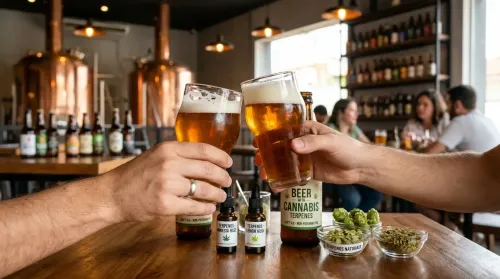
Cannabis terpene beers have been drawing the attention of consumers and craft breweries in Brazil. The proposal is to reproduce aromas associated with the plant, such as herbal, citrus, fruity, and resinous notes, without adding THC or CBD to the beverage.
The trend has gained ground among breweries seeking to create distinct sensory experiences. Despite using names associated with cannabis strains, these beers remain conventional alcoholic beverages and do not cause the psychoactive effects of marijuana when produced solely with terpenes.
What are cannabis terpenes?
Terpenes are aromatic compounds naturally found in various plants, fruits, and flowers. In cannabis, they contribute to the plant's characteristic scent and sensory profile; in hops, they also help form an important part of the beer's aromas.
In terpene-infused versions, these compounds — or aromatic combinations that replicate profiles found in cannabis — are added to the recipe to complement the work of the hops. The result can evoke strains known by names like Haze, Kush, Mango, or Chemdawg, but without the presence of the cannabinoids responsible for intoxication.
Reports on Brazilian beers produced with terpenes highlight that the products contain neither THC nor CBD and, therefore, do not offer the so-called “high” associated with cannabis consumption. [Veja]
How is terpene-infused beer produced?
The beverage's base follows the traditional brewing process, using water, malt, hops, and yeast. The difference lies in the aromatic blending stage, when terpenes are incorporated into the recipe — usually to intensify or modify the drink's sensory profile.
The combination of terpenes and hops can create aromas reminiscent of tropical fruits, berries, pine, flowers, citrus, and herbs. In some labels, the goal is to bring the experience of a traditional IPA closer to the aromatic profiles associated with specific cannabis strains.
An example was the line launched by the brewery Hocus Pocus in partnership with Cool Terps, featuring labels inspired by profiles such as Amnesia Haze, Lavender Kush, Berry White, Chemdawg, Mango, and Haze. [Portal Mesa de Bar]
Sechat highlighted novelty at a festival in Bahia
The portal Sechat — “Festival in Salvador will feature cannabis beer” has already reported on the presence of beer crafted with terpenes at the 10th Pilsner Fest in Salvador. According to the publication, breweries Bardo and Verdivita participated in presenting the novelty at the event, described as a sensory experience tied to the cannabis universe.
The report also emphasized that the beverage used terpenes, classified in the text as non-psychoactive compounds, rather than the components responsible for the typical effects of marijuana consumption. [Sechat]
The case shows how the category is being explored not just as a curiosity, but also as an innovation strategy for the craft beer market. The association with cannabis culture helps spark interest, while the aromatic profile allows the beverage to be presented as a new tasting experience.
Does terpene beer get you “high”?
No. Terpenes alone are not responsible for the psychoactive effect associated with THC. Therefore, a beer containing only terpenes may have aroma and flavor similar to cannabis, but it should not cause the effects of a beverage containing THC.
This does not mean the beer is non-alcoholic. Consumers should check the label for alcohol content and ingredient information. The absence of THC does not eliminate the effects and risks associated with alcohol consumption.
It is also important to differentiate three products:
- Terpene-infused beer: contains aromatic compounds and not necessarily cannabis or cannabinoids.
- CBD beverage: contains cannabidiol, which does not produce the same intoxicating effect as THC, but may interact with medications.
- THC beverage: contains a psychoactive substance and follows specific regulations where its sale is permitted.
Trend still requires attention to labeling
The growth of terpene-infused beers occurs amidst expanding interest in cannabis-related products, but commercial names can cause confusion. A beer named “cannabis,” “marijuana,” “Kush,” or “Haze” does not necessarily contain the plant or its derivatives.
Therefore, the most important information is in the ingredients list and manufacturer description. Consumers should look for clear indications regarding the presence or absence of THC, CBD, alcohol, and other compounds.
In Brazil, cannabis products are subject to specific health regulations, and the authorization of medicinal products should not be confused with a general approval for recreational cannabinoid beverages. [Gov.br / Anvisa]
Market bets on sensory experience
The growing popularity of cannabis terpene beers accompanies a broader search for craft beverages, unique ingredients, and unusual flavors. For breweries, this approach allows them to explore new aromatic profiles without necessarily turning the beverage into a psychoactive product.
The trend also benefits from the botanical proximity between hops and cannabis, two plants from the same family. This relationship helps explain why resinous, citrus, and herbal aromas pair well with styles like IPA, New England IPA, and sour beers.
On International Beer Day, celebrated this Friday, August 7, 2026, terpene-infused labels stand out as an example of an industry that continues to experiment with new forms of aroma, identity, and consumption. [Veja]
Editorial guidance:
Important: terpene-infused beer is not synonymous with THC beer. To avoid confusion, consumers should read the label, check the alcohol content, and purchase only products from identified sources.