Embrapa as an Ally in the Bureaucratization of Cannabis and Hemp
Daniela Bittencourt highlights the work carried out by Embrapa and the advances made in the fight for cannabis research

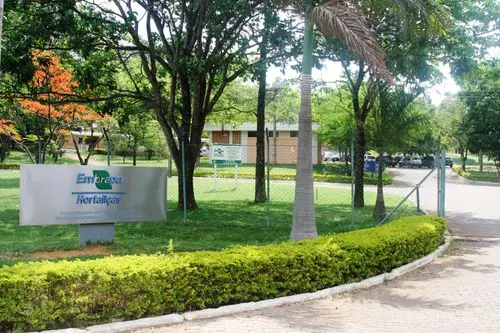
In 2023, the Brazilian Agricultural Research Corporation (Embrapa) generated about R$ 85 billion in Social Profit, with R$ 80.55 billion related to the economic benefits of a sample of 182 evaluated technologies. In job creation, Embrapa surpassed more than 66 thousand.
Despite its innovative history, Embrapa still faces restrictions for research on cannabis and hemp - a variety of the plant with low tetrahydrocannabinol (THC) content. Created to develop the technological base of tropical agriculture, the company is now seeking to advance the study of this plant, confirming its enormous economic potential.

“We are working to bureaucratize cannabis, especially in advancing scientific research,” commented Daniela Bittencourt, executive secretary of the permanent cannabis committee at Embrapa, during the Brazilian Congress on Medicinal Cannabis 2024. According to her, the company already has regular meetings with the National Health Surveillance Agency (Anvisa) and the Ministry of Agriculture (Mapa) and hopes to “soon put the plant in the field.”
In August, Embrapa submitted a request to Anvisa for authorization to start cannabis research. The goal is to create a germplasm bank, gathering various plant varieties to study their adaptation to Brazilian climate and soil.
“We have already managed to develop cultivars of various commodities, so why not do the same with cannabis?” questions Daniela. She emphasizes the need for collaboration among different sectors to release and develop this promising production chain in Brazil.
During the congress, the researcher also highlighted the urgency of a more practical regulation for hemp cultivation, as the plant has low THC levels and no psychoactive effects.
Check out the interview below: