Find out why cannabis use among seniors grows by 46% in two years
Cannabis use among seniors is on the rise in the USA, and with it, the profile of users is changing: women, couples, retirees with good income, higher education, and access to information and legalization lead this new phase of longevity.

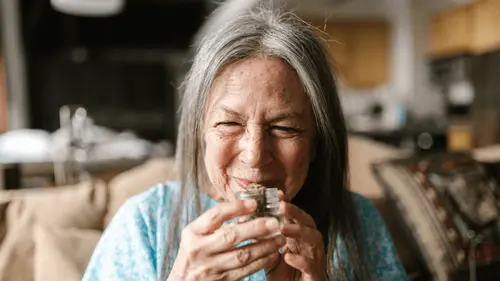
They have seen the world change many times. They have seen wars and peace, loves and farewells, vinyl records and streaming. They have also seen their age group grow, no longer the smallest age group in the country. Now, in Brazil, people aged 65 and over represent 10.9% of Brazilians (22,169,101), according to the 2022 Census. The group aged 60 and over accounts for 15.6% (32,113,490), surpassing the age group between 14 and 24 years, which represents 14.89% of the population.
These adults, who have grown by more than 50% in number in the last 12 years, are rediscovering an old acquaintance of nature: a plant with the scientific name Cannabis sativa L., but popularly known — and long discriminated against — as marijuana. The expressiveness of this group also draws attention in a "new" market growing beyond our borders.
An analysis recently published in JAMA Internal Medicine, conducted by researchers from the Center for Drug Use and HIV/HCV Research (CDUHR) at NYU, revealed that cannabis use among older adults in the United States has reached a new record: 7% of seniors reported using the plant in the last month. Beyond the raw data, there is a cultural, social, and generational transformation underway.
New times, new habits
In 2021, this number was 4.8%. The following year, it rose to 5.2%. In 2023, the jump was significant: almost a 46% increase in just two years. If we go back even further in time, between 2006 and 2007, less than 1% of seniors had used cannabis in the previous year. Today, they not only use more, but use more frequently and consciously.
“This is the first time we have been able to examine current cannabis use in this age group. Previously, the data was very scarce,” said geriatrician and researcher Benjamin Han, from the University of California in San Diego, who is the study's lead author.
Who are the new silver users
The profile of these seniors is also changing. They are women, men, couples, retirees with higher education, good income, and more access to information and legalization. They are in states where medicinal use (and often recreational use) of the plant is allowed. And yes, they are seeking quality of life, relief for chronic pain, and more autonomy.
Older women, historically less associated with cannabis use, are now showing a significant increase in consumption. But men still lead. “There is a clear change in usage patterns, also driven by social acceptance and more favorable regulation,” highlights Joseph Palamar, study co-author.
Cannabis for seniors: pain calls for relief
One of the most sensitive findings of the research concerns the growth of use among seniors with chronic illnesses, such as heart problems, diabetes, cancer, hypertension, and COPD. Furthermore, many of them live with multiple simultaneous health conditions, and cannabis emerges as an alternative (or complement) to traditional therapies.
“What we see in the office is a reflection of what science is beginning to measure,” says Han. “More and more patients ask me about cannabis. But it is essential to guide them well because aging also makes the body more sensitive to psychoactive effects.”
The study reinforces the need for doctors to address the issue openly and informatively, recognizing the increased interest and use among older adults. After all, an elderly person's decision to use cannabis is rarely frivolous: it is laden with pain, failed attempts, and a search for comfort. And now, also with data.
Read also:
Seniors report significant improvement when using cannabis for medicinal purposes, research shows
The transformation of seniors' perception regarding medicinal cannabis
With information from Cannabis Health.