Is the current model of medicinal cannabis importation sustainable for the Brazilian market?
Experts point out regulatory and operational bottlenecks that challenge the consolidation of the national market, even after the advances of RDC 660/2022


Despite the regulatory evolution provided by RDC No. 660/2022 from the National Health Surveillance Agency (Anvisa), the current model of medicinal cannabis importation in Brazil still faces significant obstacles to ensure its long-term sustainability.
This resolution established criteria for the importation of cannabis-based products by individuals with a medical prescription. In 2023, Anvisa authorized the entry of 136,754 cannabis products into Brazil, a number 15,900% higher than the 850 authorizations in 2015.
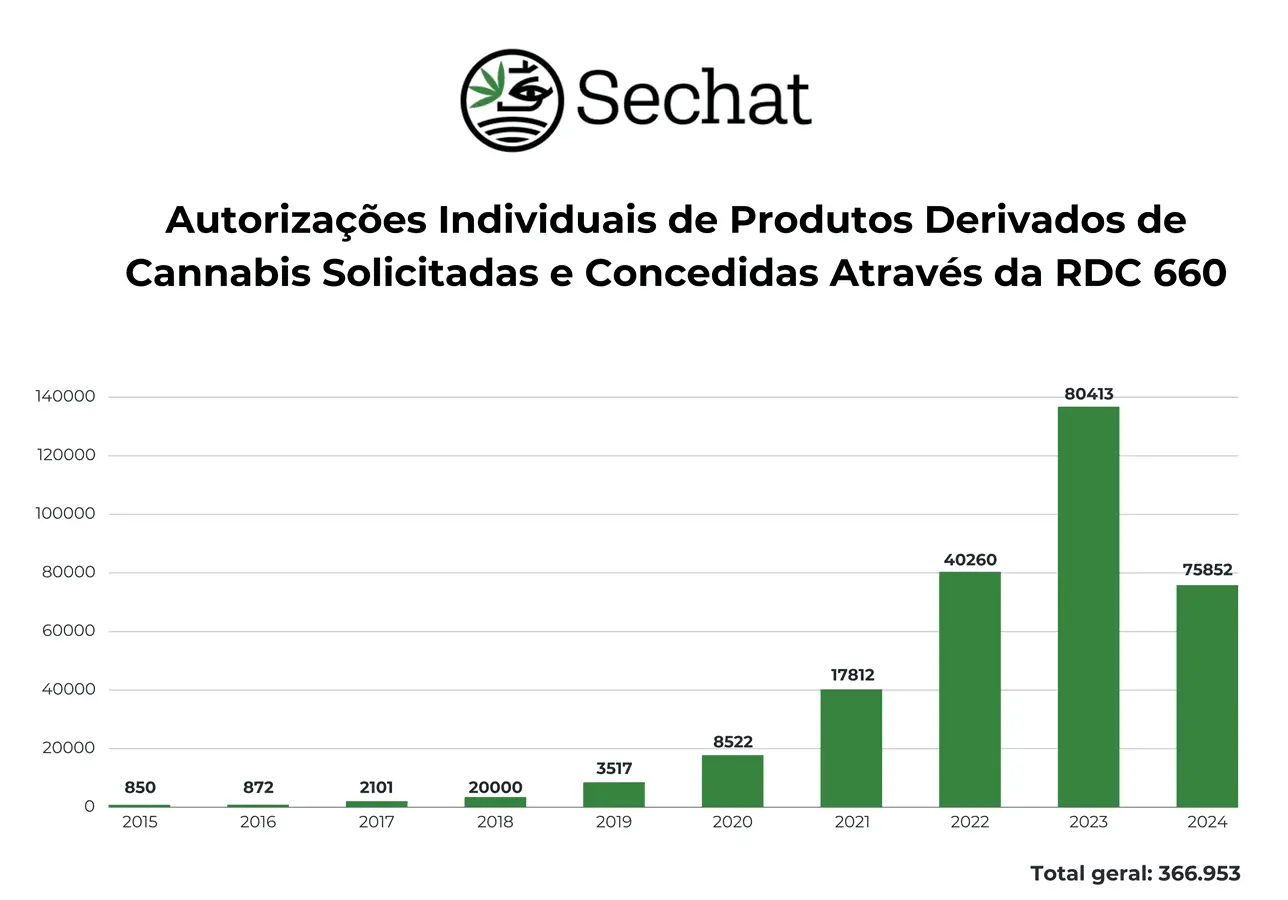
In 2024, once again showing its strength, the request for cannabis importation was the fifth most accessed service on the Gov.Br Portal, according to Anvisa's annual Ombudsman report.
"The model is not sustainable," says expert

According to Daiane Zappe, director of Revivid Brasil, the current structure is not sustainable in the long term, even though it has great relevance. “It is quite obvious that RDC 660/2022 was an important advancement for patients. It partially streamlines individual access to cannabis treatment,” she says.
In 2014, when she started her son's treatment, Daiane faced a lengthy process that could last up to three months. Today, after sending the documentation and payment, products usually arrive in Brazil within 48 hours, but customs clearance can take up to 15 business days, especially when there are instabilities in Anvisa's system.
“Those who are suffering are in a hurry,” she asserts. She advocates for priority and reduced timelines for patients with a history of continuous use.
Despite the improvements, Daiane points out persistent challenges. According to her, the current model hinders the construction of a robust national market, although it remains essential to ensure access to a wide variety of imported products.
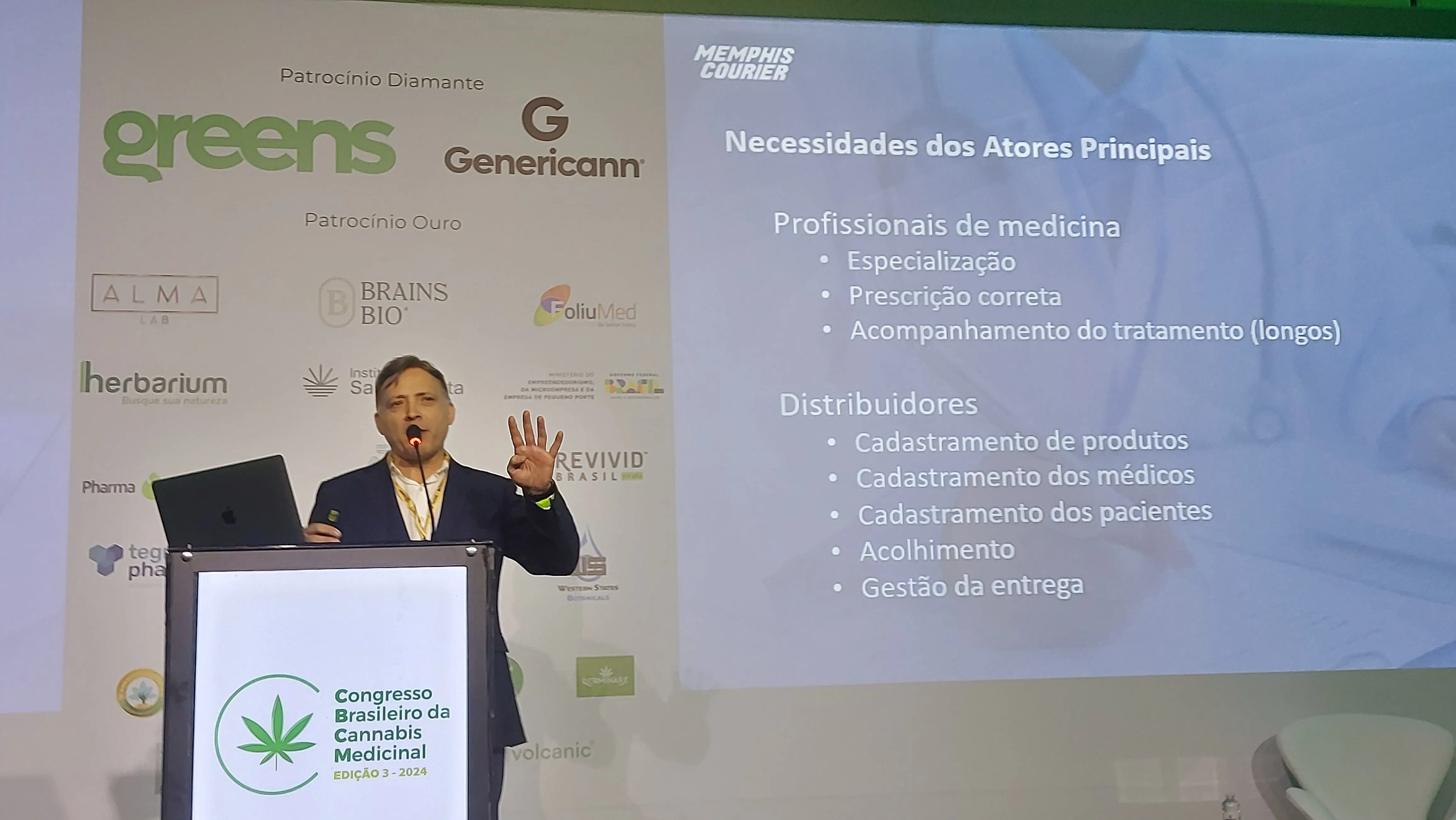
Sandro Nogueira, executive director of Memphis Courier, notes that the sector operates in a regulatory environment that is still under construction. Bureaucracy is concentrated in the procedures with Anvisa, where, according to him, “situations of regulatory discontinuity” occur, such as the sudden removal of products from the list without prior notice.
At the Federal Revenue, delays arise from specific requirements, such as additional proof of the value of the goods. Although legitimate, these requirements make the process slower. “The absence of uniform protocols between Anvisa and the Federal Revenue makes predictability difficult,” Sandro states.
Despite the constant demand, the logistical cost per shipment ranges between $30 and $35, according to Sandro. Combined with the product price and currency volatility, this cost limits access for patients with lower purchasing power.
Daiane also emphasizes that, although there are more than 500 companies authorized to import by Anvisa, not all products have pharmaceutical grade. “There are many excellent products in the international market, but there are also many of low quality. Doctors and patients get lost amid so much vague information.”
The debate continues
On Wednesday (9), the National Health Surveillance Agency (Anvisa) announced that it will begin, in June 2025, the regulatory process for the revision of RDC 660/2022, with a completion forecast between September and October, after legal analysis by the Federal Attorney's Office. The decision moves the sector and opens new possibilities for the importation of cannabis-based products.
The initiative by Anvisa and the directions of RDC 660 will be a central theme of the Medical Cannabis Fair — the main Brazilian event aimed at specialists, companies, and health professionals, focusing on scientific advancements and innovations in the medicinal use of cannabis and industrial hemp.
Among the more than 50 brands already confirmed as exhibitors, Revivid Brasil and Memphis Courier stand out, and they will be present at the 4th edition of the fair, scheduled for May 22 to 24, 2025, at Expo Center Norte in São Paulo.
Don't miss out on this transformative experience. [Click here] to secure your ticket
Diversification of origin and regulatory hurdles
Brazil is primarily supplied by products from the United States, with a still timid participation of items from Europe. However, there is a strategic movement to include products from Colombia and Uruguay, which offer quality and more competitive prices, as Sandro explains.
Regulatory hurdles in the countries of origin — such as disproportionate sanitary requirements and the absence of bilateral agreements — still limit this diversification. With the optimization of these processes, Brazil could significantly expand its supply matrix.
Currently, cannabis-based products lead among the medications acquired by exceptional authorization from Anvisa, within the universe of imports by individuals. The tax exemption for prescription medications creates an opportunity for direct access — without commercial intermediation.
However, Sandro notes that few patients take advantage of this model for other classes of drugs, which highlights the centrality of medicinal cannabis in the current system of imports for therapeutic purposes.