Portuguesa innovates in Brazilian soccer with CBD use for athlete recovery
Portuguesa players receive CBD treatment to reduce muscle pain and accelerate physical recovery
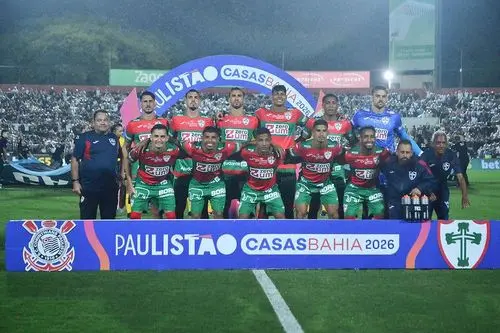
The Associação Portuguesa de Desportos, a traditional Lusa, is breaking paradigms in national soccer. In a report by Globo Esporte, the club revealed it is using CBD (Cannabidiol) as a strategic ally in the medical department to accelerate players' physical recovery and reduce sports calendar wear and tear.
The calendar challenge and the natural solution
The routine of professional soccer in Brazil is known for its high intensity and little rest time between games. According to the report, Portuguesa aims to optimize the recovery of exhausted athletes and reduce muscle pain after intense matches.
The work, considered unprecedented in Brazil in the scale it is being applied, has shown very encouraging results. The main focus is to take advantage of the substance's anti-inflammatory and analgesic properties, which are extracted from the cannabis plant but do not have psychoactive effects.
Jimmy Fardim's role in sports recovery
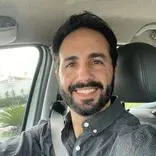
To complement this evolution in sports, we bring the approach of Jimmy Fardim, a sports doctor and knee surgery specialist, who applies integrative therapies for high-performance athletes, including the use of CBD.
To complement this evolution in sports, we highlight the work of Jimmy Fardim, a sports doctor and knee surgery specialist. Fardim is a reference in applying integrative therapies for high-performance athletes, including the safe use of CBD.
According to Fardim, CBD not only acts on reducing physical pain but also on improving sleep quality and decreasing pre-competition anxiety — essential factors to optimize performance on the field. His work ensures that clubs and athletes follow safe practices aligned with the World Anti-Doping Agency (WADA) regulations.
Doping control and cannabis: what WADA allows in competitions
Science in favor of performance
The use of CBD in sports gained momentum after WADA removed the compound from the list of prohibited substances in 2018. Since then, high-performance athletes around the world have adopted the substance as an alternative to traditional anti-inflammatories and opioids, which have more side effects.
In Portuguesa, the initiative places the club at the forefront of sports medicine in the country, and, as highlighted by Jimmy Fardim in his column "How cannabis acts on sports injuries" on Sechat, the endocannabinoid system's action — modulated by compounds like CBD — can interact with inflammatory responses and aid in the recovery of muscle microlesions, a major challenge in sports.
Note: Information based on the original report aired by TV Globo/Globo Esporte and on the work of Jimmy Fardim, a sports doctor and knee surgery specialist.