Psychedelic Therapy Without Support Network Can Increase Risks, Experts Warn
Experts warn that lack of preparation, professional guidance, and post-session support can compromise the safety and outcomes of psychedelic therapy

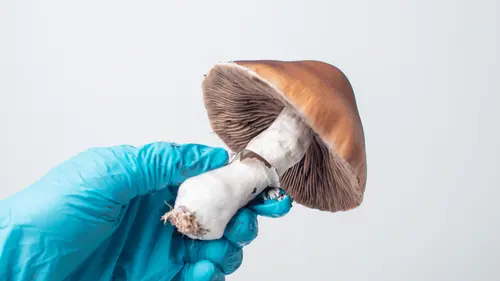
The promise of emotional relief and personal transformation associated with therapy using psychedelic substances has been gaining ground in scientific and regulatory debates in different countries. At the same time, experts have been drawing attention to a central point in this debate: the absence of structured support networks can increase risks and compromise therapeutic outcomes.
Read Also
Harvard debates psychedelic legalization focusing on regulation and scientific evidence
Psychedelics in Brazil: advances, challenges, and what you need to know about regulation
Psychedelics for treating 'chemical dependency': a good alternative?
The warning is addressed in an analysis published by the site Cáñamo, which discusses the challenges of therapeutic use of psychedelics outside clinical contexts or without proper guidance. According to the publication, when there is no professional, psychological, and social support before, during, and after the sessions, difficult experiences can intensify and have negative impacts on mental health.

Scientific debate points out limits outside clinical settings
Psychedelic therapy, which combines substances like psilocybin and other compounds with psychotherapeutic guidance, has been studied in scientific environments for its potential in treating treatment-resistant depression, anxiety, and stress-related disorders. However, these studies operate within rigorous protocols, with participant selection, psychological preparation, and continuous guidance.
According to Cáñamo, outside of these parameters, the absence of specialized supervision and a safe environment — known as the setting — can increase the likelihood of negative experiences, hindering the emotional and psychological integration of what has been experienced. Experts cited in the publication emphasize that the risk is not necessarily in the substance itself, but in the lack of care structure around the experience.
UK Event Reinforces Warnings on Risks and Care
According to Cáñamo, this debate was deepened during the event “The Future is Psychedelic: Community, Care, Access, and Resistance”, held in the UK. The meeting brought together harm reduction professionals, clinical teams, facilitators, and individuals who reported harms associated with both therapeutic and non-medical uses of psychedelics.
The aim of the event was to challenge the idea that psychedelics would, by definition, be a “cure” and therefore less dangerous. During the discussions, participants highlighted that silencing adverse effects does not protect the psychedelic movement, but rather makes it less able to learn, improve practices, and develop safer protocols.
Preparation, Integration, and Harm Reduction
The debate also involves the need for harm reduction strategies, especially given the growing public interest in psychedelics. In clinical contexts, prior preparation, the presence of trained professionals during the experience, and follow-up are considered pillars for safety and therapeutic effectiveness.
Without these elements, the psychedelic experience can expose individuals to situations of emotional vulnerability and difficulties in constructively processing the emerging contents, reinforces the analysis by Cáñamo.
As discussions on regulation progress in different countries, experts argue that any expansion of the therapeutic use of these substances should be associated with scientific criteria, professional training, and care policies, avoiding a promising approach being applied in an improvised or unsafe manner.
With information from Cañamo.Net.