The potential of hemp in fashion: sustainability without losing glamour
Debate on hemp in the fashion industry gains momentum with the launch of a book at FebraTêxtil 2025


For millennia, the textile fiber of cannabis has been present in different cultures and eras, being used for clothing and other textile products. In fashion, hemp is valued for its quality and durability. When produced ecologically, its cultivation benefits the soil and biodiversity, as it does not require the use of harmful chemicals or large amounts of water.
Despite Brazil's potential to excel in hemp production, the planting of the plant is still prohibited in the country. This limits the development of a sustainable industry and prevents Brazil from becoming a global reference in the production of this textile fiber.
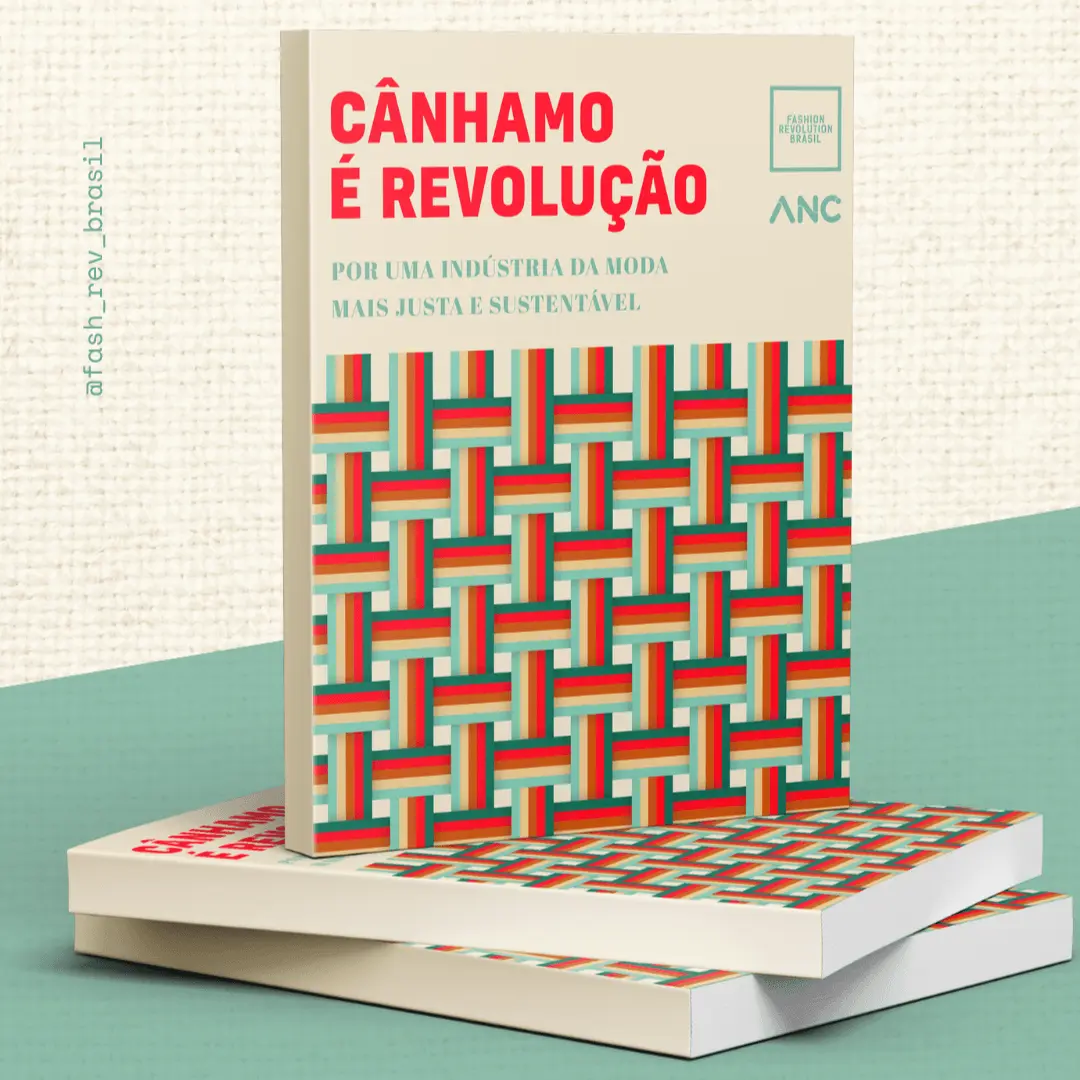
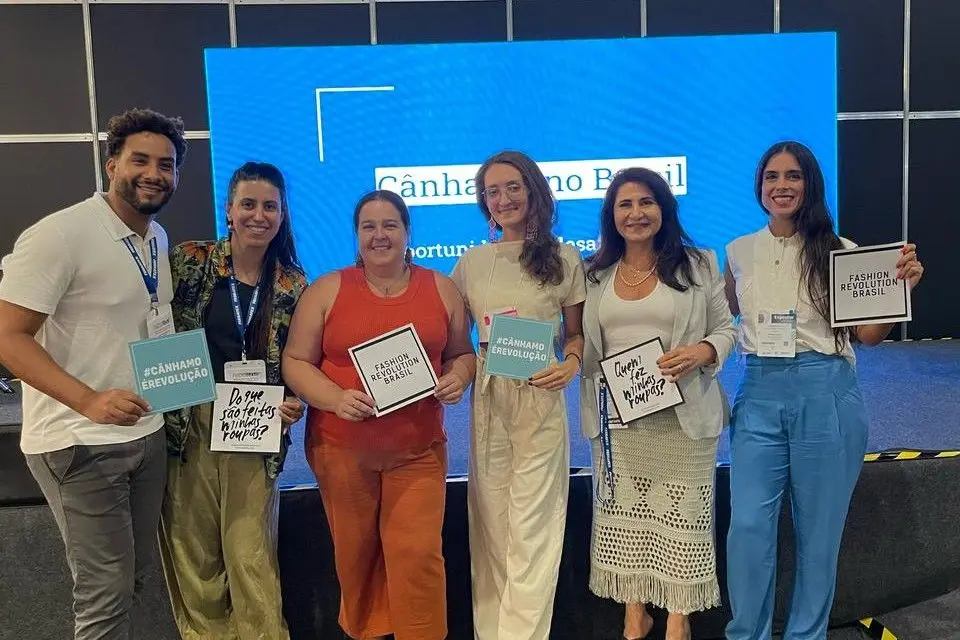
Therefore, during FebraTêxtil 2025, one of the largest events in the textile sector, taking place until February 20 at Expo Center Norte in São Paulo, the Fashion Revolution Brazil Institute and the Hemp Textile Working Group of the National Industrial Hemp Association (ANC) will launch the book "Hemp is Revolution: for a fairer and more sustainable fashion industry".
The book proposes an urgent reflection on the numerous possibilities of hemp to transform the fashion industry, offering a more sustainable alternative aligned with socio-environmental responsibility values.
Contributions of hemp to fashion sustainability
Written collaboratively, the book brings together experts from various fields who explore the multiple aspects of hemp, from its historical roots to its innovative applications. The work highlights hemp as a solution to the environmental challenges faced by fashion, a sector seeking alternatives to mitigate its environmental impact and promote more ethical and fair practices.
According to Fernanda Simon, executive director of Fashion Revolution Brazil, "In times of Climate Emergency, the debate on hemp needs to be increasingly expanded in the fashion industry – after all, its socio-environmental benefits have been proven for many years."
The book emphasizes the advantages of hemp for soil and biodiversity when grown ecologically, as well as its role in the circular economy and in reducing the environmental impacts of fashion.
Need for legal changes in Brazil
Rafael Arcuri, president of the National Industrial Hemp Association, adds: "Today, the legal framework for industrial hemp needs to be changed, as the rules are outdated and do not regulate contemporary behaviors. Brazil needs to establish new specific rules that eliminate doubts for both law enforcers and consumers."
On the last Wednesday (12), the Superior Court of Justice (STJ) maintained the deadline until May for the National Health Surveillance Agency (Anvisa) and the Union to regulate the import, planting, cultivation, and transactions of hemp for medicinal, pharmaceutical, and industrial purposes.