Veterinarian explains how cannabis acts on pain and behavior in horses
Veterinarian Katia Ferraro shares her clinical experience with cannabis in horse rehabilitation and highlights technical and cultural challenges

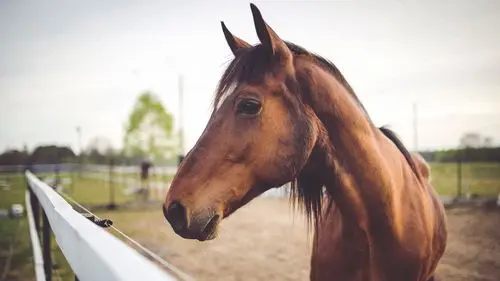
Amid the silence of the stables and the slow pace of recovery, horse rehabilitation has found in medicinal cannabis an ally that goes beyond pain control: it reorganizes behavior, reduces stress, and contributes to a more stable recovery throughout the therapeutic process.
The clinical experience accumulated over the years in equine physiotherapy has revealed new paths for horse rehabilitation. Among them, the use of medicinal cannabis is gaining space as a complementary tool in pain control, behavior modulation, and improvement in the animals' quality of life during treatment.
Leading this work, veterinarian Katia Ferraro, president of the Cannabis Committee of CRMV-SP, closely monitors the effects of therapy on the routine of horses in rehabilitation. With a practice that integrates clinical practice and observation of regulatory aspects since 2018, she emphasizes that the results are directly linked to technical knowledge and the individualization of protocols. “We no longer have a one-size-fits-all recipe, a protocol in place, each case is unique,” explains the doctor.
Quality of recovery and behavioral control

In practice, the effects of cannabis are observed continuously throughout the treatment. According to the specialist, the use of oil allows for greater stability of the animals, especially during periods of confinement, common in rehabilitation.
Read more on the Sechat Portal
Cannabis and horse a special match? Specialists explain how phytocannabinoids have helped even large animals
Man, horse, and cannabis: the ancestral alliance reinvented by science
Study evaluates safety of using CBD oil in horses
She explains that cannabinoids act with anti-inflammatory and analgesic properties, as well as contributing to behavioral control. “When we implement a cannabis program for oil use, during the treatment and rehabilitation of this animal, which sometimes takes three months, it can take much longer, we keep this animal calmer 24 hours, so it remains calmer during stall time, it won't rub against the wall, won't try to dig because it's too confined, so it becomes a calmer animal 24 hours a day, making it have a better quality of life, with less risk,” she says, describing the difference compared to punctual approaches with injectable medications.
This balance, according to the veterinarian, reduces the risk of relapses and favors clinical evolution, as the animal remains more stable throughout the process.
Clinical experience and challenges in advancing therapy
The introduction of cannabis into her practice was driven by her own experience with chronic pain, which led to a deepening of studies on the endocannabinoid system and its therapeutic application. “I started taking the oil because that's how I started studying to control chronic pain, and I understood that, once my chronic pain was under control, why not take this to the animals I work with? When I understood how powerful pain control with cannabis can be. But I started this extremely timidly, really because of prejudice. I was a little apprehensive. Today I work a lot, not just for control. When I understood how powerful pain control with cannabis can be,” she recounts.
Despite the advances observed in clinical practice, the use of cannabis still faces resistance. “The first major challenge we still have is prejudice,” she points out. According to her, expanding access to information and encouraging technical training are fundamental steps to consolidate therapy in veterinary medicine.