What is Cannabis? Uses, components, and differences from hemp and marijuana
Discover the complexity of Cannabis: its components like THC and CBD, medical and industrial uses, and differences from hemp.

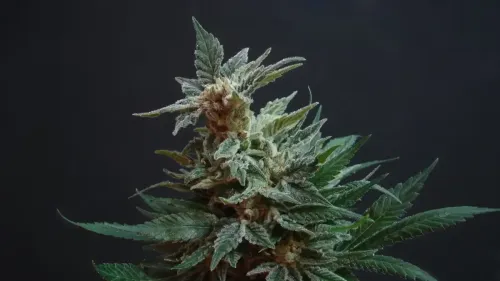
Cannabis is a plant known for thousands of years and used in different parts of the world for very varied purposes. Depending on how it is cultivated, processed, and consumed, it can be used in medicine, industry, food, and also in recreational contexts. Despite frequently being associated only with THC and psychoactive effects, this is an incomplete view. Cannabis brings together a wide diversity of substances and applications, making it a broad topic that is, at the same time, surrounded by questions.
To understand what Cannabis is, it is important to look at the plant beyond its most well-known uses. It belongs to the botanical family Cannabaceae and features characteristics that vary depending on genetics, the cultivation environment, and the selection made over centuries by humans. In some classifications, Cannabis is treated as a single species, Cannabis sativa L., with different internal subdivisions. In others, popular divisions appear such as sativa, indica, and ruderalis. Although these terms are widely used in daily life, modern science debates whether they represent distinct species or merely groups with morphological and chemical variations.
What the Cannabis plant is like
Cannabis is a plant with an annual cycle, with well-defined phases:
Germination
Vegetative growth
Flowering
Seed formation
There are male and female plants, and, in some cases, individuals that present reproductive structures of both sexes. Female flowers are especially important because they concentrate glandular trichomes, small structures that produce the plant's resin.
It is in this resin that many of the compounds of greatest therapeutic and psychoactive interest are concentrated, such as cannabinoids. On the other hand, the stems feature resistant fibers, useful for industrial purposes, and the seeds contain oil, protein, dietary fiber, and fatty acids. This shows that Cannabis is not valued solely for its flowers, but for different parts that can be utilized in specific ways.
Main components of Cannabis
Cannabis is made up of a complex combination of natural substances. Among the best known are cannabinoids, terpenes, and flavonoids.
Cannabinoids: These are the molecules most associated with Cannabis. Among them, the most famous are THC and CBD. THC is primarily responsible for the plant's psychoactive effects. On the other hand, CBD does not cause intoxication in the same way and has been extensively studied in medical contexts. In addition to these two, there are other cannabinoids of scientific interest, such as CBG, CBC, THCV, CBDV, and CBN, each with its own characteristics.
Terpenes: These are compounds that give aroma and flavor to the plant. They can evoke citrus, floral, woody, herbal, or earthy notes. Although scent is the most noticeable characteristic, these compounds also spark interest due to potential interactions with other plant components.
Flavonoids: These are phenolic compounds linked to the plant's color, radiation protection, and defense. Some of them are also being studied for potential antioxidant and anti-inflammatory properties.
Cannabis, marijuana, and hemp: important differences
These three terms are often used as if they mean the same thing, but they do not.
Cannabis: It is the scientific name of the plant and the broadest term.
Marijuana: It is a popular term generally used to refer to products of the plant with higher THC content and psychoactive effects.
Hemp: It is a variety of Cannabis cultivated with low THC content and intended mainly for industrial and food uses.
This distinction is fundamental because the purpose of using the plant depends on its chemical composition and not just on the name. The same species can give rise to medicinal, recreational, or industrial products, depending on genetic selection and processing.
What Cannabis is used for
Cannabis can serve different purposes:
Medicinal: It is used in formulations containing CBD, THC, or combinations of both. In some cases, it can help manage chronic pain, spasticity, nausea, vomiting, certain types of epilepsy, and other symptoms linked to neurological conditions. Medical use requires professional monitoring, because composition and dosage directly influence the patient's response.
Recreational: It is consumed mainly for the effects of THC on the central nervous system. In this case, the goal is usually relaxation, altered perception, mood changes, or sensory enhancement.
Industrial: Hemp takes center stage. Its fibers can be used to produce textiles, ropes, paper, bioplastics, construction materials, and thermal and acoustic insulation products. The seeds are also used in producing oil, plant-based protein, and other food ingredients.
How Cannabis acts in the body
Cannabis acts primarily through the endocannabinoid system, a biological network present in the human body and involved in regulating functions such as pain, sleep, appetite, mood, memory, and inflammatory response. This system is made up of receptors, molecules produced by the body itself, and enzymes that regulate their synthesis and breakdown.
The main receptors are:
CB1: Present in higher amounts in the brain and central nervous system. THC acts directly on it, which explains its psychoactive effects and part of its therapeutic effects.
CB2: More closely related to the immune system and peripheral tissues.
CBD has a more complex and indirect action. It interacts with various targets in the body and does not produce the same feeling of intoxication. Therefore, CBD-rich products are frequently associated with medical uses, especially when seeking to avoid the psychoactive effects of THC.
What are the effects of Cannabis
The effects of Cannabis vary depending on the dosage, product type, method of use, and individual sensitivity.
Effects of THC: It can cause relaxation, euphoria, increased appetite, changes in time perception, and altered attention. In higher doses, it can also cause anxiety, disorientation, drowsiness, and impaired coordination.
Effects of CBD: It usually does not cause intoxication. Its studied effects include modulation of anxiety, inflammation, neuronal excitability, and pain. In some situations, it is used in combination with THC to balance out some of the psychoactive effects.
It is important to highlight that not everyone responds in the same way. Body weight, metabolism, age, simultaneous use of other medications, and history of sensitivity to THC can significantly alter the experience.
Risks and adverse effects
Like any substance that acts on the body, Cannabis can also cause adverse effects.
Most common: Dry mouth, dizziness, drowsiness, increased appetite, and changes in attention.
In products with high THC concentration: Anxiety, palpitations, a feeling of discomfort, impaired motor coordination, and difficulty concentrating may occur.
Therefore, the use of Cannabis should be approached with information and care. In the case of medical use, professional guidance is essential to define dosage, frequency, administration method, and treatment goals. This helps reduce risks and increase patient safety.
Conclusion
Cannabis is a much more complex plant than its popular association with marijuana. It can be used in medicine, industry, food, and recreational contexts, and its value depends on the plant part, chemical composition, and method of use. Understanding what Cannabis is helps separate reliable information from simplifications and view the plant as a natural resource of great diversity.