Why is researching cannabis still a challenge in Brazil? Unesp researchers respond
Unesp researchers reveal the obstacles that hinder cannabis research in Brazil and point out ways to unlock national science

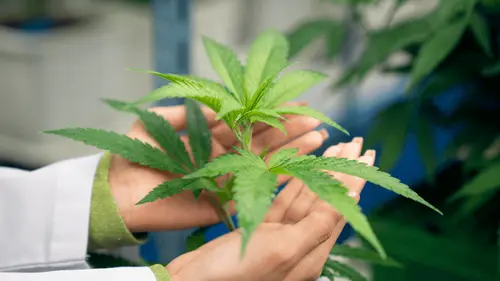
Brazilian science lives in a paradox. While there is a growing global interest in therapeutic and industrial applications of the Cannabis sativa plant, in the country, the research path faces barriers ranging from bureaucracy to expensive importation of supplies.
This scenario is evidenced by the technical note prepared by the Scientific Regulation Working Group (GT) of Cannabis, created by the Brazilian Agricultural Research Corporation (Embrapa). In the document, 481 obstacles were listed for those who choose to study the plant in Brazil.
“I tried to import from Uruguay and Paraguay... it took over a year and cost over R$ 20,000,” reported Professor André Gonzaga dos Santos to the Universidade Estadual Paulista (UNESP) Journal. André, a UNESP professor, was one of the collaborators of the note.
Stagnant research: between imports, indefinite authorizations, and ignored Brazilian soil
The importation of supplies is one of the main bottlenecks, according to the document. With the cultivation of the plant still prohibited in the country, teams are forced to resort to suppliers abroad, with high costs and unpredictable waiting times.
Furthermore, even when the process advances, the standardization of materials and adaptation to Brazilian soil and climate are left out. “Studying imported products will not contribute anything to developing the national productive chain,” Santos warned the UNESP Journal.
Another critical point is the current regulation, Ordinance No. 344/1998 and the special authorization from Anvisa for teaching and research, allows for research, but with indefinite deadlines and nebulous criteria.
Read Also
Anvisa approves Public Consultation to update rules on cannabis-based products
Despite the obstacles, there are also positive signs. at UNESP, about 175 researchers are involved in cannabis studies, and the multidisciplinary nucleus NuDeCann was created on the Ilha Solteira campus to structure the productive chain, genetics, and cultivation technology in Brazil.
With information from Jornal da Unesp.