STJ maintains deadline for hemp regulation by Anvisa and the Union
Decision reaffirms the six-month deadline for implementing rules on hemp for medicinal, pharmaceutical, and industrial use

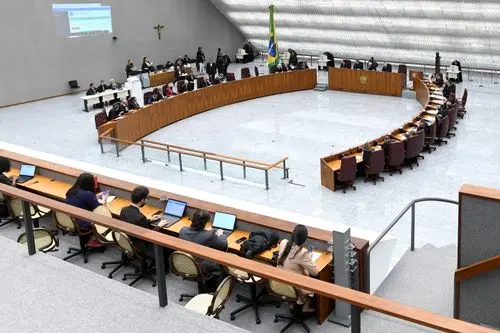
In the session this Wednesday (12), the Superior Court of Justice (STJ) unanimously maintained the deadline for the National Health Surveillance Agency (Anvisa) and the Union to regulate the importation of seeds, planting, cultivation, and transactions of hemp, a variety of cannabis with a tetrahydrocannabinol (THC) content of less than 0.3%, for medicinal, pharmaceutical, and industrial purposes.
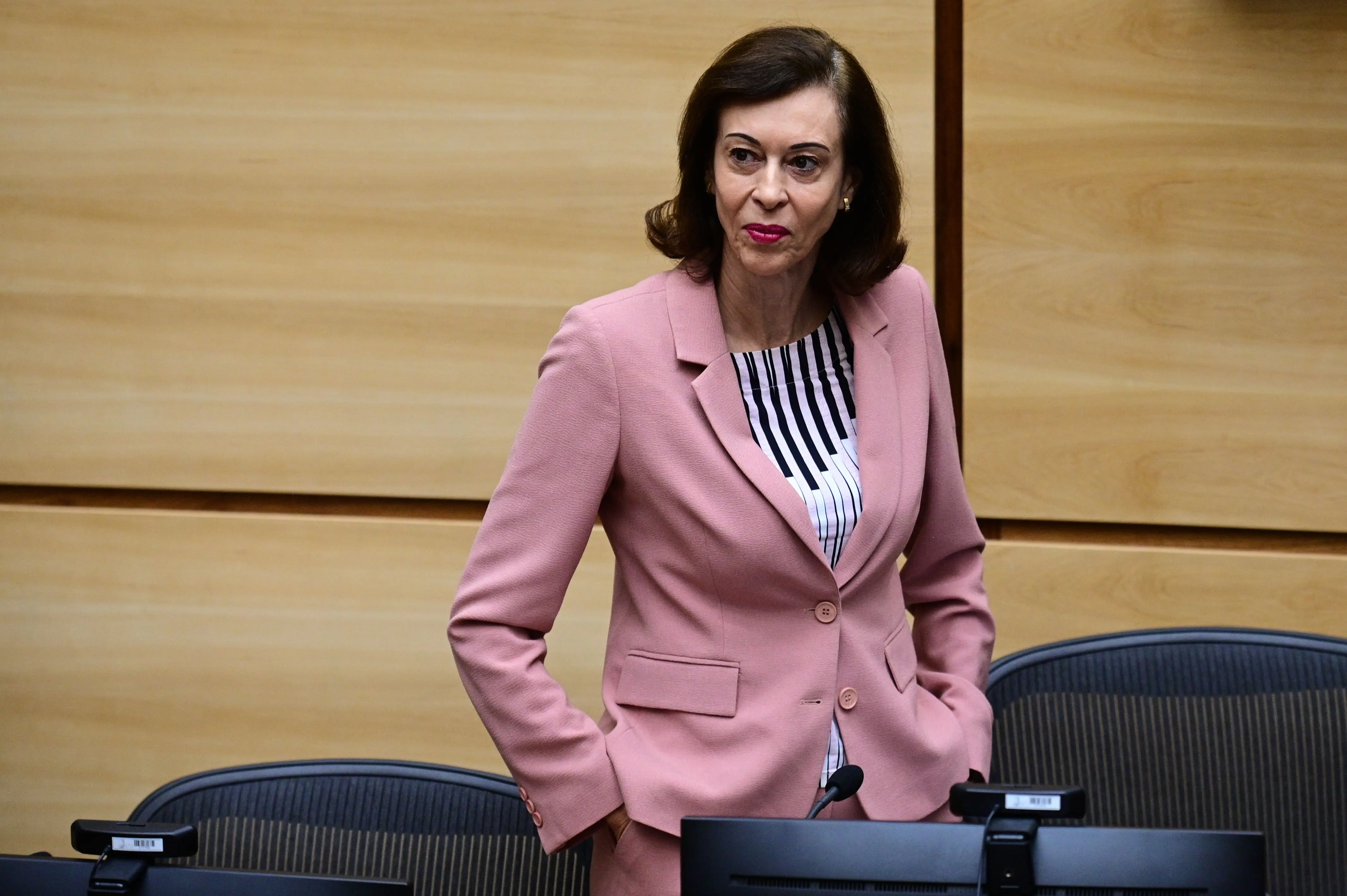
During her statement, Minister Regina Helena Costa emphasized that the ruling was clear and sufficient for defining the six-month deadline. She also reinforced that this decision resulted from extensive debate during the judgment of the appeal, and that the deadline was decided unanimously.
Understand the case
Anvisa and the Attorney General's Office of the Union (AGU) requested an extension of the six-month deadline, which began on November 19, 2024, to twelve months, citing the need for more time to meet all the requirements of the regulatory process.
The entities that requested the extension argued that there was omission and contradiction in the definition of the initial deadline, which motivated the request for more time.
STJ's Definition
In November 2024, the First Section of the STJ analyzed an appeal against a decision by the Federal Regional Court of the Fourth Region (TRF4), which had denied a biotechnology company's request for the importation of industrial hemp seeds for planting, commercialization, and industrial exploitation in Brazil.
The company argued that industrial hemp is a variety of cannabis sativa with low levels of THC, the main psychoactive compound of the plant, making it unsuitable for recreational use, but with great potential for medicinal and industrial purposes, such as the production of cannabidiol (CBD).
TRF4 understood that the authorization for the importation of hemp seeds is a matter of public policy, and it is not up to the Judiciary to intervene in demands that benefit business interests. The STJ upheld this decision, reinforcing that the regulation of hemp should be encompassed within public policies and not judicialized.
Next Steps
In her vote, the minister pointed out that a new request for an extension can be made, but only after the deadline set for May 19, 2025. According to Costa, the request will be considered only with justifications and evidence that Anvisa and the Union have adopted concrete measures to comply with the determinations and regulation.
Lawyer Murilo Nicola evaluated the judgment positively but highlighted that it was “at the expense of THC.” Nicolau emphasized that the next step should focus on the medicinal possibilities of THC and other cannabinoids, in addition to cannabidiol (CBD). "Brazilian law does not prohibit THC; in some cases, it is even used in high quantities by patients."