Hemp: Versatility and Sustainability Opening Opportunities for Developing Countries
UN Report highlights that the global market for the cannabis subspecies could reach $18.6 billion by 2027

Published on 07/31/2023
By Sechat editorial team
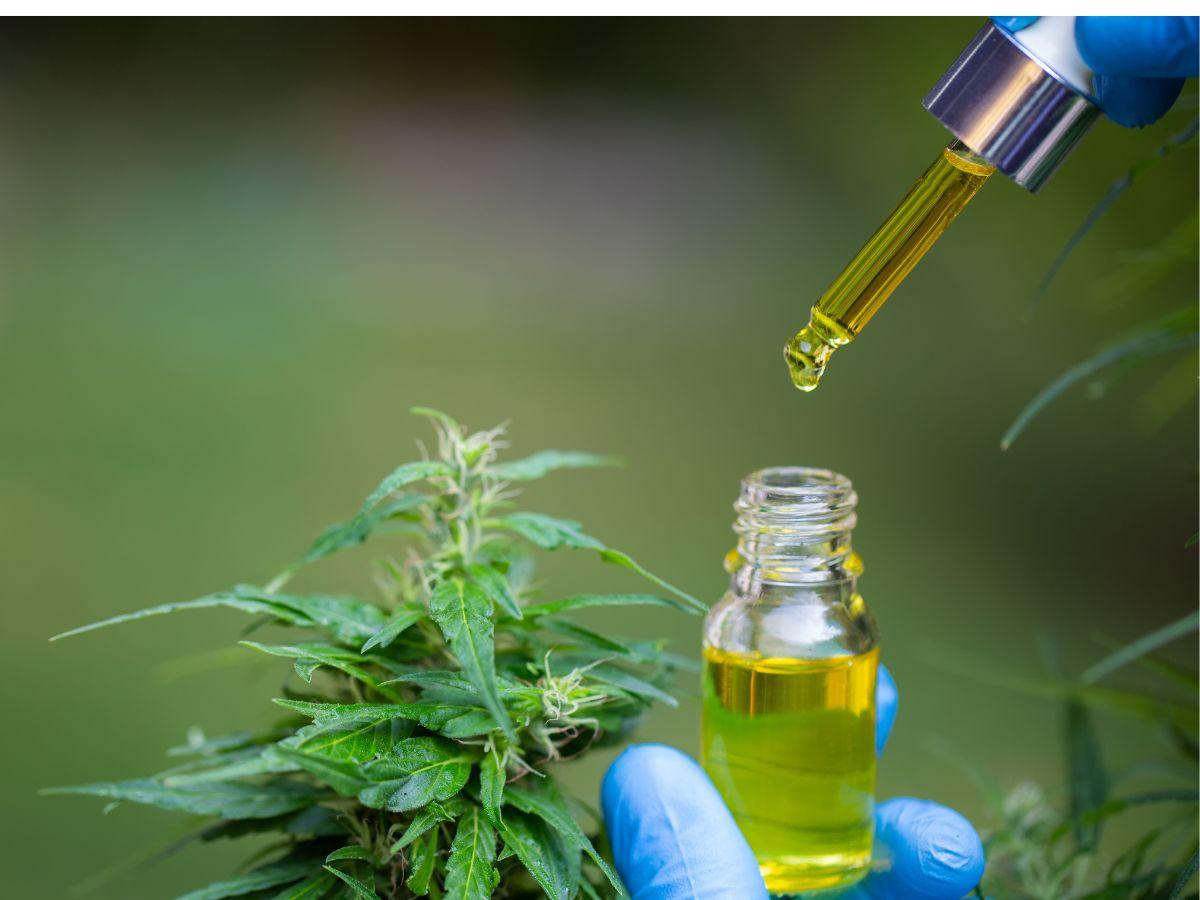
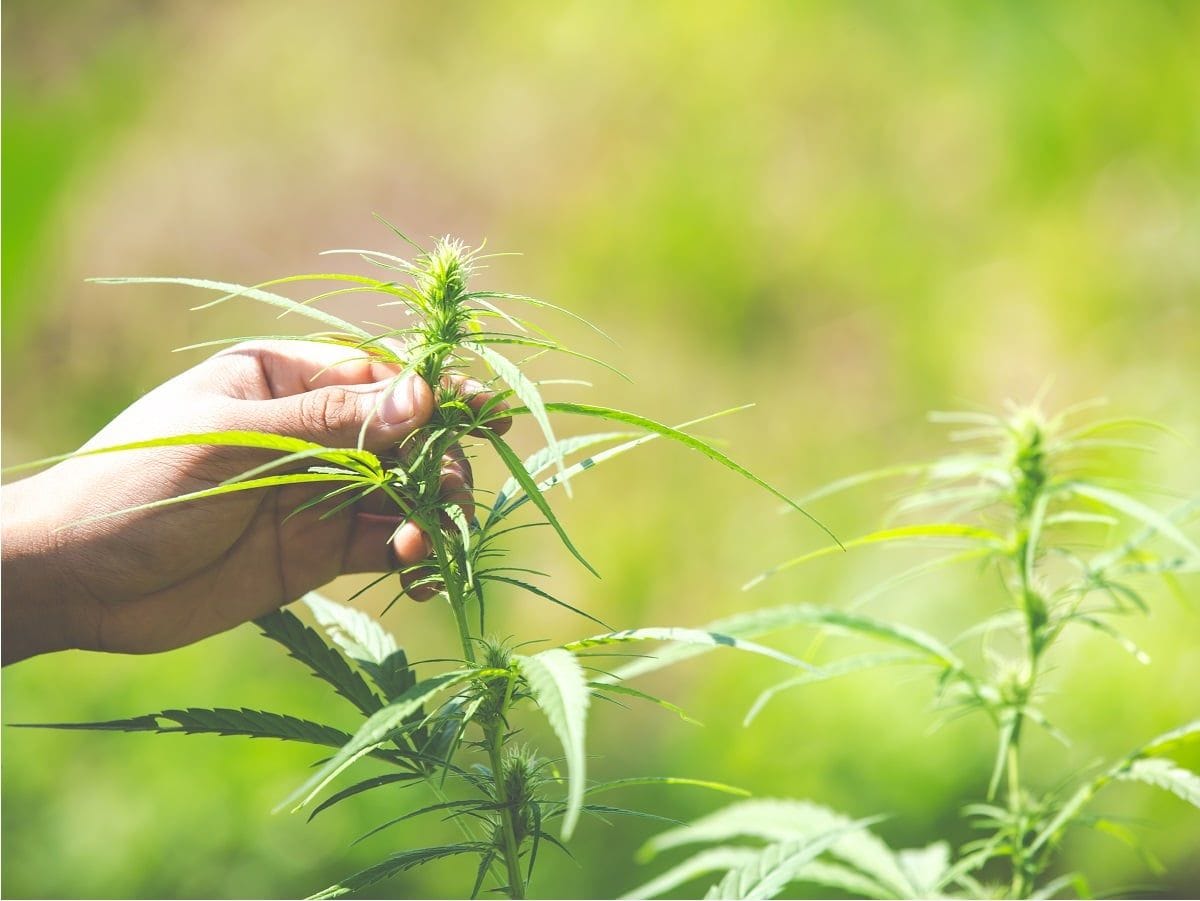
Hemp, a plant with immense sustainable potential, is proving to be one of the best options for various applications. Requiring only a minimal fraction of water compared to cotton cultivation, the plant also stands out for its ability to absorb carbon dioxide, surpassing other crops and most trees.
With a history of thousands of years, this organic plant can be used in various sectors, including food, biofuels, textiles, and construction materials.
According to the UNCTAD report, a permanent intergovernmental body of the United Nations (UN), the growing awareness of hemp's benefits is creating significant opportunities. The global market could reach $18.6 billion by 2027, nearly quadrupling the value of 2020, as highlighted in the report.
Marco Fugazza, UNCTAD economist and co-author of the report, emphasizes: "The growing hemp market offers significant economic opportunities that all countries can benefit from. As a renewable product, the opportunities are sustainable. This is extremely important as countries seek to boost their economies while protecting the environment".
The report, titled "Commodities at a Glance: Special Issue on Industrial Hemp", highlights the still unexplored potential for international trade.
Legal Status of Hemp Needs Clarification
Currently, most hemp products are marketed locally, meaning production occurs in regulated countries and is consumed domestically. Global exports and imports total only $42 million, offering huge growth opportunities.
The low number of international transactions is partly due to official statistics covering only a limited set of hemp products. However, another reason is the stigma associated with the plant being part of the same cannabis family.
Although industrial hemp has no toxic properties, the lack of clear legal distinction makes it a controversial plant in many countries. In the United States, for example, hemp production was effectively banned in 1937 by the Marijuana Tax Act, only becoming legal again in 2018.
To minimize risks and maximize hemp opportunities for countries and producers, the report highlights the need for governments to clarify its legal status as a non-toxic product.
Planting Seeds of Development
The growing industrial hemp market also opens economic opportunities for developing countries.
Due to its versatility and functional characteristics, industrial hemp has enormous potential in agriculture, textiles, recycling, automotive, furniture, food and beverages, paper, construction materials, and personal care, as mentioned in the report.
Hemp can be grown in a wide range of climates worldwide and can be planted on lands unsuitable for other crops, helping to reconstitute the soil by removing heavy metals and other contaminants.
It is beneficial to include it in crop rotation, as hemp cultivation increases wheat yield by 10% to 20%, as observed.
Furthermore, utilizing all parts of the plant, from roots to leaves, results in less waste and pollution compared to other crops that have a significant ecological footprint.
For example, in Africa, over 80% of the total mass of cotton plants is burned or discarded, contributing to air pollution. In India, burning cotton fields to remove harvest residues accounts for half of Delhi's deadly pollution.
By exploring all parts of the hemp plant, developing countries can build sustainable production chains, promoting growth in rural areas and driving economic diversification.
Action vs. Opportunities
To help countries reap the economic and environmental benefits of industrial hemp, UNCTAD recommends the following measures:
1. All countries should clarify the legal status of hemp compared to cannabis.
2. Governments and industry should understand how production may be limited by regulations in potential export markets.
3. Developing countries should promote regional cooperation to establish viable and sustainable value chains for hemp, based on a whole-plant approach.
4. In most cases, developing countries should base their plans on a local network of farmers and businesses that can provide raw hemp and first processing services.
5. Countries should define and adopt quality standards to facilitate access to international markets and promote quality products for domestic markets.
According to the report, due to the ease of cultivation and vast environmental and economic potential, “industrial hemp cultivation can be the way forward for sustainable value chain growth in local and regional markets in many developing countries”.