Cannabidiol for Autism: Treatment Advances as Alternative for Severe Cases
Neuropediatrician highlights the potential of full spectrum cannabidiol, but access still faces judicial and bureaucratic barriers


The use of cannabidiol (CBD) for autism (ASD) has attracted family members and caregivers as a therapeutic ally. The substance, derived from Cannabis sativa, is recommended by doctors in cases where conventional medications fail to control behavioral symptoms.
These symptoms include agitation, irritability, outbursts of aggression, self-aggression, and sleep disturbances, which directly impact the child's development and the family's quality of life.
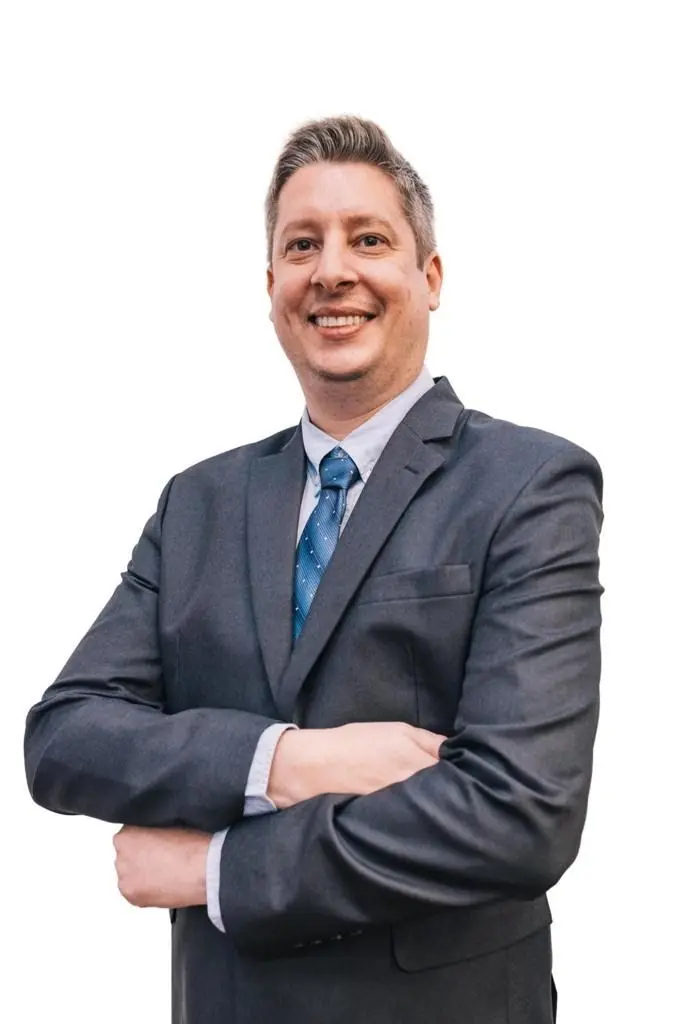
Neuropediatrician Flávio Alves, president of the Pan-American Association of Cannabinoid Medicine (APMC), states that cannabidiol is becoming an important clinical tool in the face of many patients' refractoriness to traditional treatments.
"When conventional medication lines fail, CBD comes in as a safe alternative, with a lower incidence of side effects," he emphasizes. According to him, the most common effects are drowsiness and a slight decrease in appetite.
Cannabidiol 'Full Spectrum': Preferred Treatment
Among the different formulations, the full spectrum type has been standing out among those prescribed for the pediatric audience. This formulation contains other natural compounds from the plant and not just isolated CBD, including small amounts of THC.
This enhances the so-called "entourage effect," a synergistic action between the components that enhances therapeutic benefits. "The clinical response is generally better with full spectrum, allowing for lower doses and better symptom control," explains the doctor.
Relief for Families and Careful Dosing
In addition to clinical improvement, parents report significant improvements in sleep, focus, social interaction, and reduced food cravings.
"The acceptance by families has been high. They arrive tired, after failed attempts with other medications. Cannabidiol represents hope," says Flávio.
However, the prescription requires continuous medical monitoring and individualized dose adjustment. "It is not an off-the-shelf medication. It requires fine-tuning, weekly monitoring at the beginning, and the use of pharmaceutical-grade products to ensure safety and efficacy," advises the neuropediatrician.
The Challenge in Accessing Cannabidiol for Autism
Regulation in Brazil allows some access routes to treatment, such as importation, distribution in pharmacies and associations, with a medical prescription and authorization from the National Health Surveillance Agency (Anvisa).
However, access to treatment still faces significant barriers in the judicial system. A study by Insper, analyzing rulings from the São Paulo State Court of Justice (TJSP), revealed that, although most actions against health plans for autism treatments are favorable to patients, the scenario is different for cannabidiol: 81.8% of CBD requests for autism are denied.
The main obstacle is the fact that the product is not included in official clinical protocols or in the list of the National Supplementary Health Agency (ANS).
Facing the demand for treatment, Brazilian pharmaceutical companies have been investing in cannabidiol-based products. União Química, for example, launched a full spectrum cannabidiol extract, which eliminated taste and odor to favor consumption, especially among more sensitive patients.
Scientific research on the use of cannabidiol in autism is still recent, and new clinical trials are ongoing.
A notable example is the first randomized, placebo-controlled clinical trial conducted by researchers at the University of California, San Diego. The study, focused on autistic boys aged 7 to 14 with severe conditions, indicated that two-thirds of the participants showed clinical improvement, mainly in reducing aggression and hyperactivity.
Although the research is considered small (30 participants), it is a milestone in indicating that CBD was safe and well-tolerated, without serious adverse reactions, reinforcing the need for more studies in the field.
Dr. Flávio himself is conducting research on the tolerability of CBD in children with ASD. "It is a promising field, but it requires scientific rigor and continuous medical care."