Ministry of Health works to regulate cannabis cultivation and distribution through the SUS
General coordinator details the efforts made by the public agency

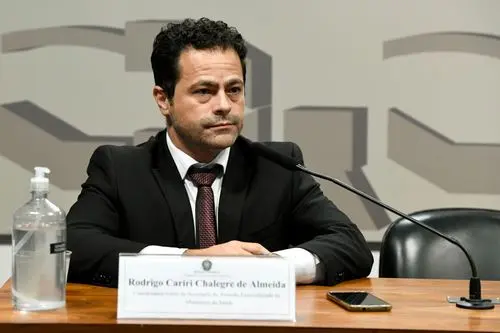
Rodrigo Cariri, general coordinator of Specialized Care at the Secretariat of Specialized Health Care of the Ministry of Health, stated that the government is focused on two pillars to advance medicinal cannabis in Brazil: the regulation of cultivation and the availability of products in the Unified Health System (SUS).
The statement was made during the panel “National Drug Policy: a new paradigm,” held on Tuesday (18), by Brasil 247, TV 247, and Consultor Jurídico. According to Cariri, the Ministry has made a non-negotiable commitment to science.
The general coordinator highlighted the consolidated evidence regarding the clinical benefits of cannabis in various conditions, such as chronic pain, demyelinating diseases, Autism Spectrum Disorder (ASD), Alzheimer’s, among others.
Regulation of Cultivation
In November 2024, the Superior Court of Justice (STJ) determined that the competent bodies, such as the Ministry of Health, implement the regulation of hemp for medicinal and pharmaceutical purposes by May 2025.
Cariri emphasized that the plant has been present in Brazil for over 400 years, adapting well to the national climate and soil. According to him, other countries already see cannabis as a commodity with great economic potential.
Without detailing the work carried out by the inter-ministerial group discussing the regulation of cultivation, Cariri stressed that, after its establishment, it will be essential to ensure the distribution of products at affordable prices in the SUS.
Distribution of Cannabis in the SUS
During his speech, Cariri informed that the National Commission for Incorporation of Technologies in the Unified Health System (CONITEC) approved two cannabis-based products. However, these approvals were rejected, through "weak" justifications, as he explains.
The general coordinator also highlighted that nine states of the federation have already enacted laws on the cultivation, acquisition, and distribution of cannabis-based medications, and 29 projects related to cannabis and hemp are currently under consideration in the National Congress, demonstrating prospects for the future of medicinal cannabis.
Scientific and Political Advances
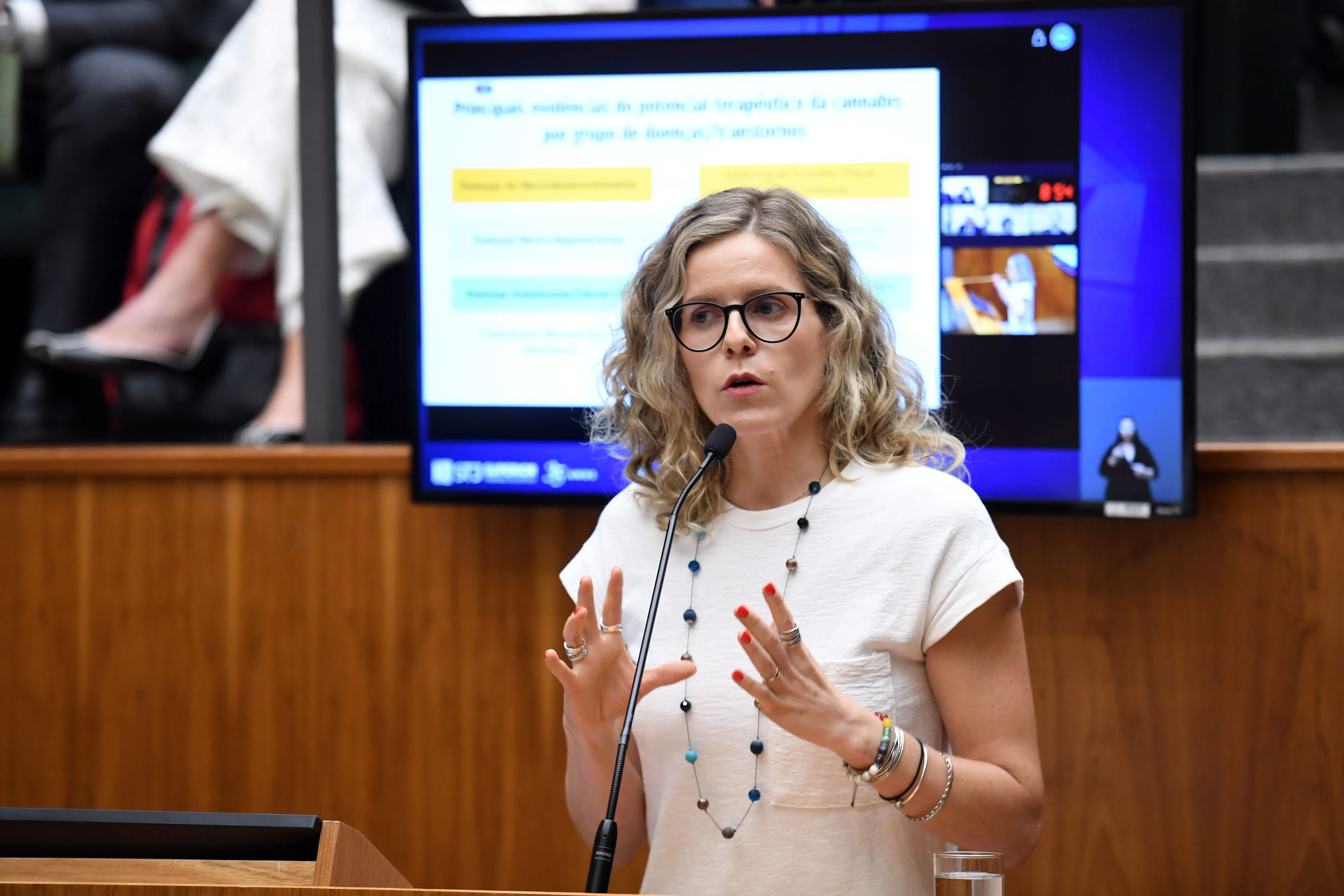
During the panel, Andrea Gallassi, professor at the University of Brasília (UnB), highlighted recent scientific and regulatory advances, such as the creation of RDCs 327 and 660, in addition to the report from the Working Group on Cannabis of the National Drug Policy Council (Conad). She also emphasized the importance of civil society participation in the formulation of the new National Drug Policy Plan (Planad), announced last Friday (14).
Challenges of Associations and Stigma
Luis Maurício, president of the Brazilian Association of Cannabis and Industrial Hemp (ABCCI), criticized the lack of support for cannabis associations in the STJ decision and declared the need to utilize all the tools that the plant has.
Psychiatrist Leon Garcia addressed the construction of stigma around medicinal marijuana, emphasizing that "all violence and hatred dissolve when a mother tells her story of struggle for access to medicinal cannabis."