With the STJ deadline approaching, Suplicy accelerates dialogue with the Government on cannabis regulation
Deputy participates in meetings with Anvisa, MAPA, and the Ministry of Health to discuss cultivation and the role of associations


On Tuesday (29), state deputy and cannabis patient, Eduardo Suplicy participated in a strategic agenda in Brasília, alongside the association Flor da Vida, with meetings with the main agencies responsible for the cannabis cultivation regulation process — expected to be defined by May 19, 2025.
The agenda's goal, in addition to discussing the progress of the involved entities, was to highlight the work of more than 259 patient associations, which together currently serve about 147,000 people. The data comes from the Brazilian Yearbook of Medicinal Cannabis 2024, prepared by the consultancy Kaya Mind.
After the meetings, Suplicy gave an interview to Portal Sechat, reporting details of the discussions with the Ministry of Health, the Ministry of Agriculture and Livestock (MAPA), and the National Health Surveillance Agency (Anvisa).
Open doors for dialogue
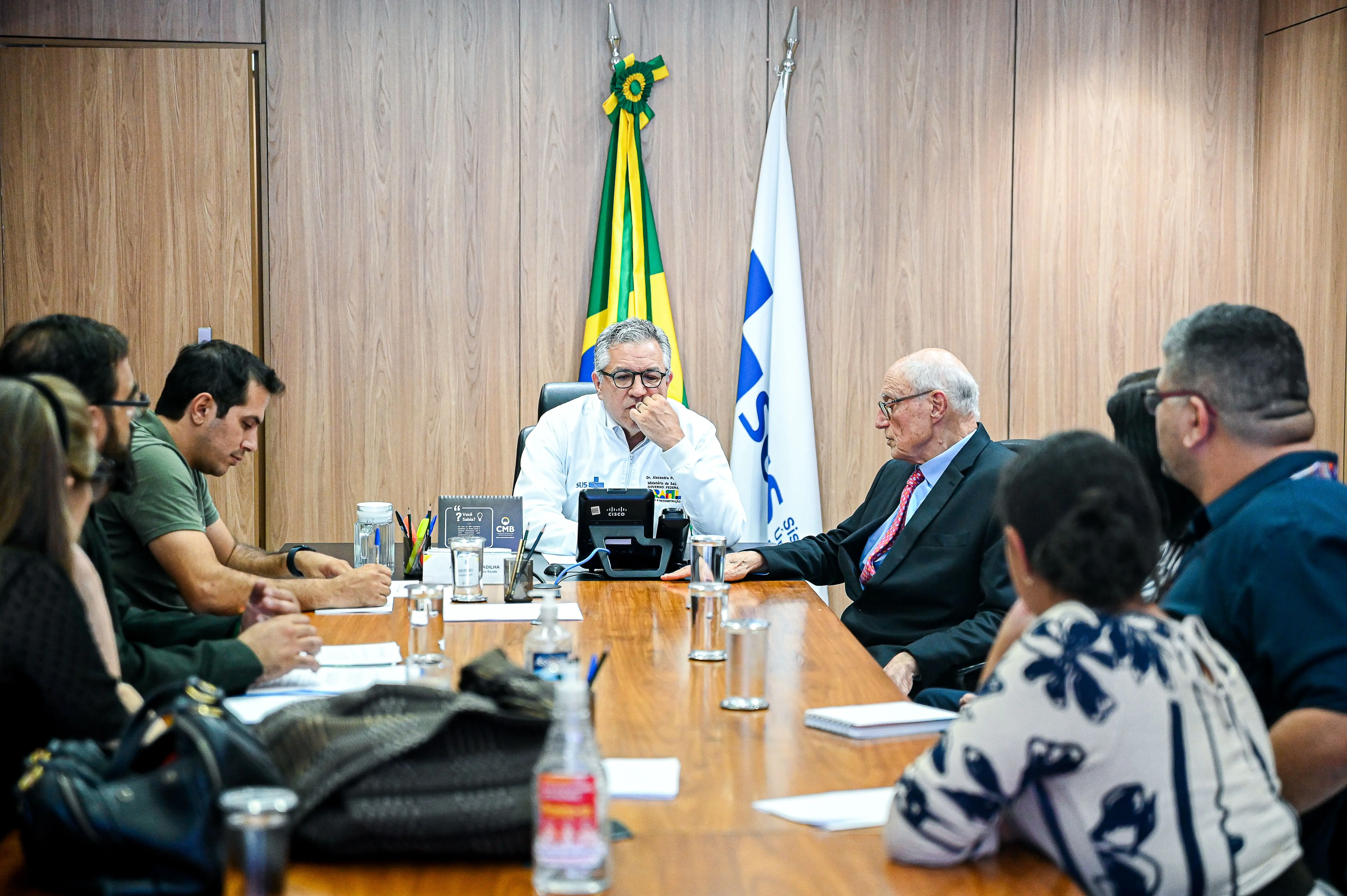
In the meeting with Minister Alexandre Padilha, a long-time personal friend of the deputy, the importance of the associations and the urgency of regulating their activities were highlighted. “I felt total interest from the Ministry on these points,” Suplicy stated.
In the conversation with Rômison Rodrigues Mota, acting president of Anvisa, and other agency representatives, the tone was also one of openness. However, as explained by the lawyer of the Flor da Vida association, Antônio Pinto, Anvisa indicated that “it is not the agency's role to regulate the activities of patient associations, at least not at this moment.”
Responsible for one of the stages of regulation, MAPA showed willingness to find solutions that reconcile the interests of all parties involved.
STJ sets deadline for cannabis regulation
The decision of the Superior Court of Justice (STJ), issued in November 2024, determined that the federal government has until May 2025 to regulate the importation of seeds and the cultivation of Cannabis sativa L. with low THC content. The authorized use is exclusively medicinal and pharmaceutical, aimed at the production of medicines and by-products.
The Attorney General's Office (AGU), requested an extension of the deadline, stating that the guidance is complex and requires more time for analysis. In February of this year, the STJ re-evaluated the case and, unanimously, maintained the date.
In response to the decision, a Working Group (GT) was created in March 2025 to assess the economic impacts of the regulation and support future measures. The GT coordinator, Patrícia Villela, confirmed that the results are expected to be presented by June, one month after the deadline set by the STJ.