Concreto de cânhamo: o futuro da construção sustentável
Plataformas de pesquisa acadêmica abre chamada para submissão de artigos científicos sobre concreto de cânhamo

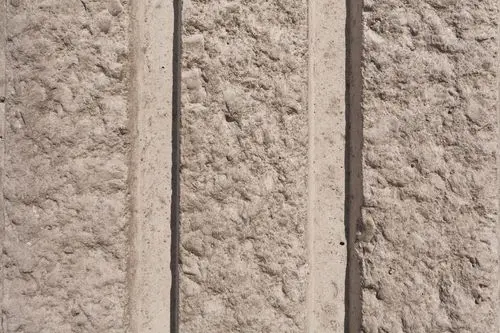
O setor da construção civil está em busca de alternativas para reduzir sua pegada de carbono, e o cânhamo surge como uma das soluções mais promissoras. Com a necessidade urgente de substituir materiais tradicionais, que são grandes emissores de dióxido de carbono (CO₂), o concreto de cânhamo destaca-se como uma opção inovadora. Essa mistura de fibras de cânhamo industrial, calor e água não só contribui para uma construção sustentável, como também sequestra carbono, ajudando a mitigar os impactos ambientais.
Esse interesse crescente em inovações levou a editora Frontiers, uma das maiores plataformas de pesquisa acadêmica do mundo, a abrir uma chamada para submissão de artigos científicos, com prazo até 31 de janeiro de 2025. O objetivo é aprofundar o conhecimento sobre o concreto de cânhamo e expandir seu uso na indústria da construção, indo além das aplicações de isolamento, explorando seu potencial como material de suporte estrutural.
Entre os principais focos da editora estão quantificar e aprimorar as propriedades físicas e mecânicas do concreto de cânhamo, investigar sua aplicação em painéis estruturais e avaliar seu desempenho em diferentes componentes construtivos.
“Com essas pesquisas, buscamos avançar no entendimento e aplicação do concreto de cânhamo na construção sustentável, contribuindo para a redução das emissões de CO₂ e promovendo práticas de construção mais saudáveis e eficientes”, divulgou a Frontiers.
Potencial do concreto de cânhamo
O cânhamo industrial, que cresce em menos de quatro meses, já é amplamente utilizado em diversos setores — de fibras têxteis a biocombustíveis —, mas seu uso na construção civil está ganhando destaque devido ao seu potencial de armazenamento de carbono.
Conhecido como hempcrete, o concreto de cânhamo vem se mostrando uma tecnologia promissora para revolucionar a construção civil. O setor da construção é responsável por cerca de 37% das emissões globais de CO₂, e o cânhamo apresenta um excelente isolamento térmico, melhorando a eficiência energética dos edifícios e reduzindo as emissões de gases de efeito estufa ao longo do tempo. Além disso, o concreto de cânhamo continua a absorver carbono durante toda a sua vida útil.
A iniciativa da Frontiers visa reunir os melhores estudos e inovações para fazer do concreto de cânhamo uma solução amplamente utilizada em projetos futuros, transformando-o de material alternativo em uma opção viável e sustentável para a construção civil. Para enviar seus trabalhos, os pesquisadores precisam seguir algumas diretrizes.