Da dor ao alívio: quando a cannabis se torna aliada no tratamento do câncer
Diagnosticada com câncer de mama aos 32 anos, Daiany Dias enfrentou os desafios do tratamento tradicional e encontrou na cannabis medicinal um colapso inesperado. Saiba como a planta ajudou a reduzir os efeitos colaterais da quimioterapia e trouxe conforto em meio à luta contra a doença.

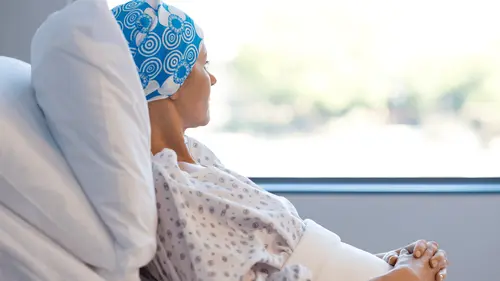
Sem sombra de dúvidas, o diagnóstico de câncer chega como um furacão na vida de qualquer pessoa. A notícia não foi diferente para a assistente social, Daiany Dias, 36 anos, que passou pelo câncer de mama aos 32, em meio à pandemia (Covid-19), ou seja, um período já marcado por medo e incertezas.
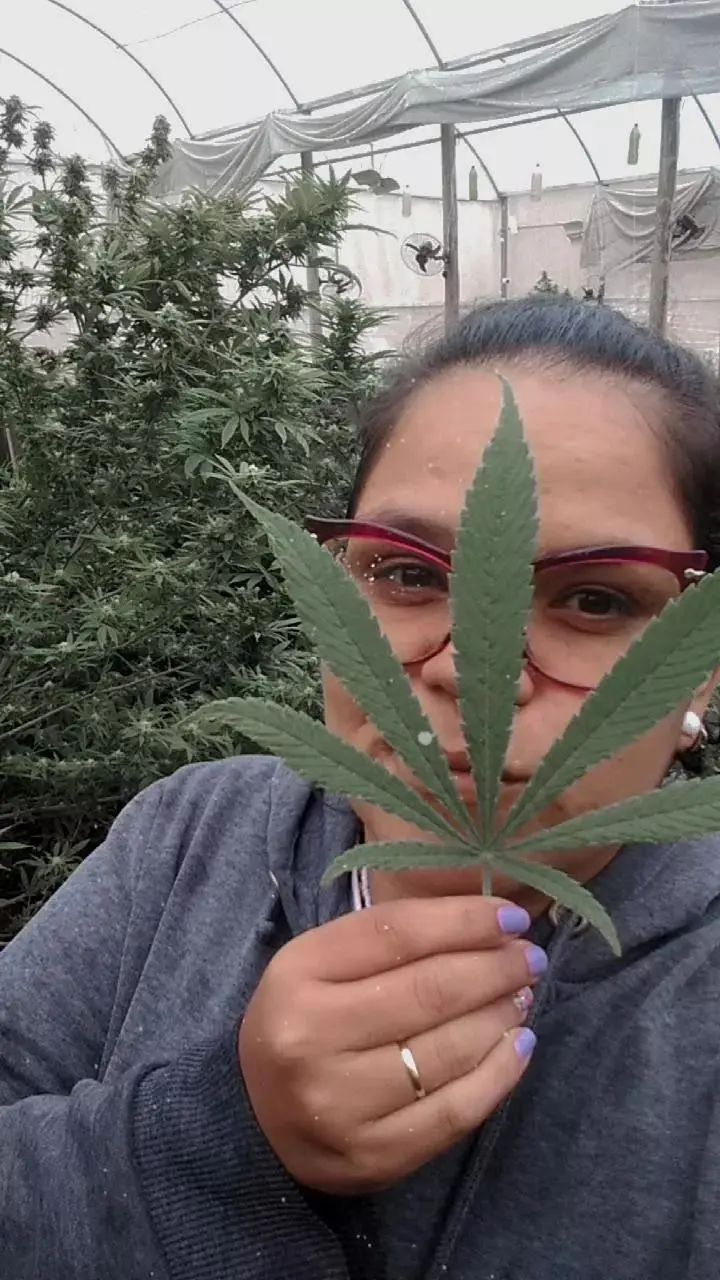
O tratamento tradicional trouxe desafios severos, mas foi na cannabis medicinal que ela encontrou um alívio inesperado. “Eu já tava passando pelo isolamento da pandemia, então tinha muitos momentos que sentia medo de morrer e, nessa época, fiquei sozinha com meu companheiro que foi indispensável nessa luta, nos apegamos a espiritualidade e acreditamos naquela força que a cannabis nos dava”, conta Daiany, que passou por 7 sessões de quimioterapia, 15 de radioterapia e duas cirurgias tudo pelo SUS (Sistema Único de Saúde).
A experiência dela reflete a realidade de muitos pacientes oncológicos que buscam alternativas para mitigar os efeitos colaterais da quimioterapia, como enjoos, insônia e oscilações emocionais tais quais a depressão, tristeza profunda e melancolia.
“Durante as sessões de quimio eu pensei mesmo que ia morrer, porque é uma sensação muito forte, que parece que seu coração vai parar. Nos dias seguintes, eu tinha vômitos, mal-estar, suava muito, uma sensação horrível. E aí a cannabis me ajudava nisso, a superar esse pós-quimioterapia”, detalhou a assistente social, que tomou altas doses de THC para conseguir dormir melhor.
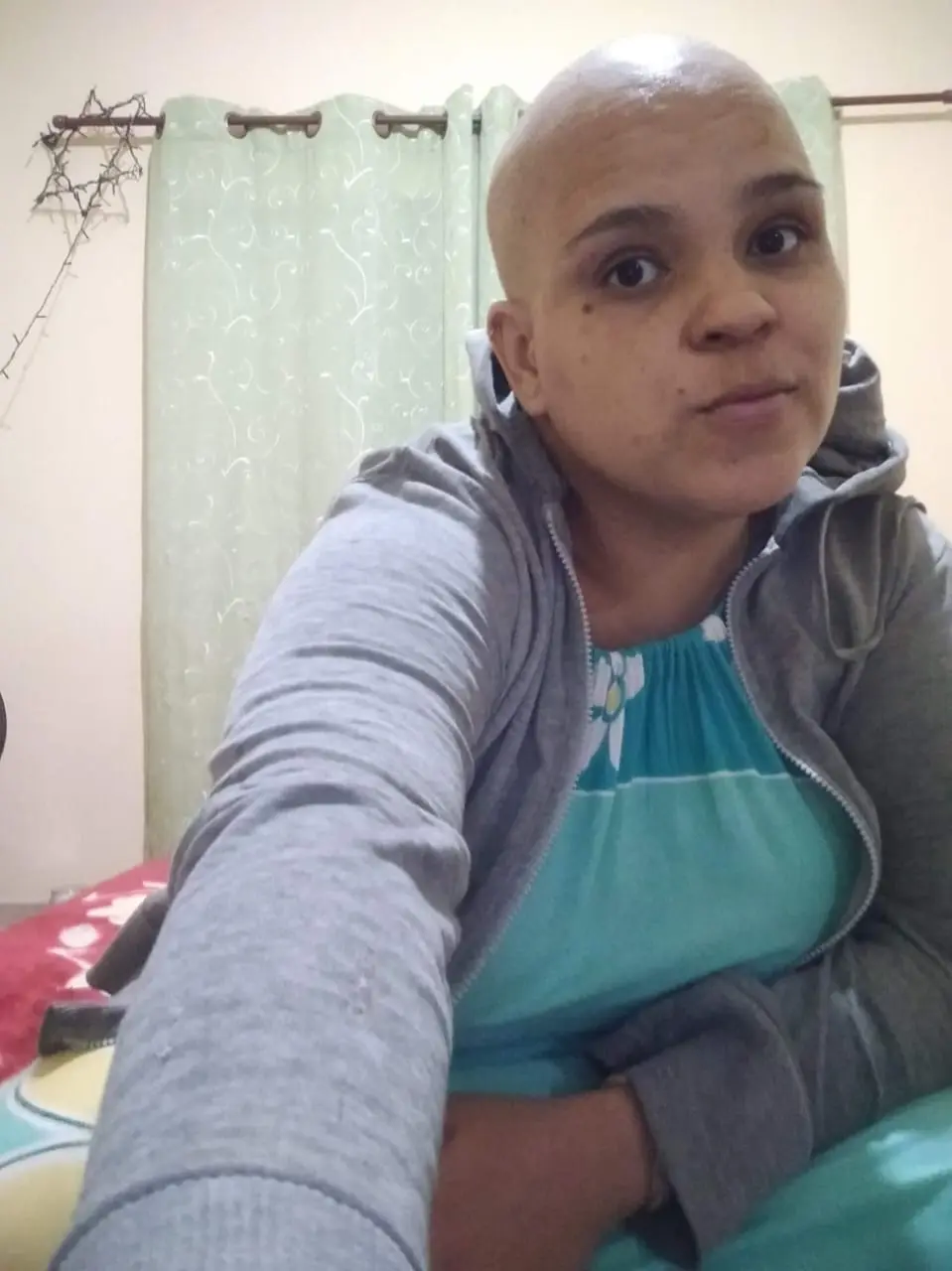
Além disso, Daiany afirmou que a cannabis também a ajudou a lidar com os sintomas de neuropatia periférica, um formigamento nas mãos típico da quimioterapia.
Cannabis como apoio: muito estudo ainda pela frente

Contudo, a visão da medicina tradicional sobre o uso da cannabis ainda gera debates. A anestesiologista Daniele Tondolo, especialista em dor, pondera que, apesar dos avanços no entendimento dos efeitos terapêuticos da planta, seu uso ainda precisa de mais estudos e regulamentação. "A cannabis tem seu potencial terapêutico, mas não pode ser vista como uma panaceia. Precisamos de mais pesquisas robustas para entender seus reais benefícios e efeitos colaterais", alerta a médica.
O tratamento contra o câncer de Daiany desenvolveu também uma depressão, que ela não conseguia suportar. “Não me reconhecia no espelho e tive uma crise psicótica muito grave”, disse Daiany que atualmente faz tratamento com uma psicóloga e milita a favor da cannabis medicinal e acessível a todos.
Cannabis x Câncer: qualidade de vida durante o tratamento
Apesar das divergências, o uso medicinal da cannabis ganha cada vez mais espaço e reconhecimento, principalmente como um coadjuvante no tratamento oncológico. "O que temos certeza é que a qualidade de vida do paciente deve ser prioridade. Se a cannabis auxilia nesse processo, devemos considerar sua inclusão nos protocolos médicos com responsabilidade e embasamento científico", reforça Daniele Tondolo.

Enquanto o debate avança na comunidade científica, histórias como a de Daiany demonstram que a esperança pode estar também nas folhas de uma planta milenar, cujo potencial ainda está sendo descoberto pela medicina moderna, mas que para ela, o poder da “cura” transcende a matéria. “A Santa Maria (cannabis) para mim, representa o poder feminino, de cuidado, conforto como o acalento de uma mulher, mãe, então eu fui além da representatividade medicinal da planta, ela tem propriedades ancestrais que me apeguei para enfrentar os desafios que o câncer me deu”, finaliza.
Médica explica os efeitos da cannabis para controlar os efeitos dos sintomas do câncer. Veja o vídeo: