Escutar para curar: a voz de Wilson Gonzaga sobre enteógenos e saúde mental
No Setembro Amarelo, o psiquiatra com 43 anos de experiência fala sobre a urgência da escuta e o papel dos enteógenos na saúde mental

Publicada em 10/09/2025
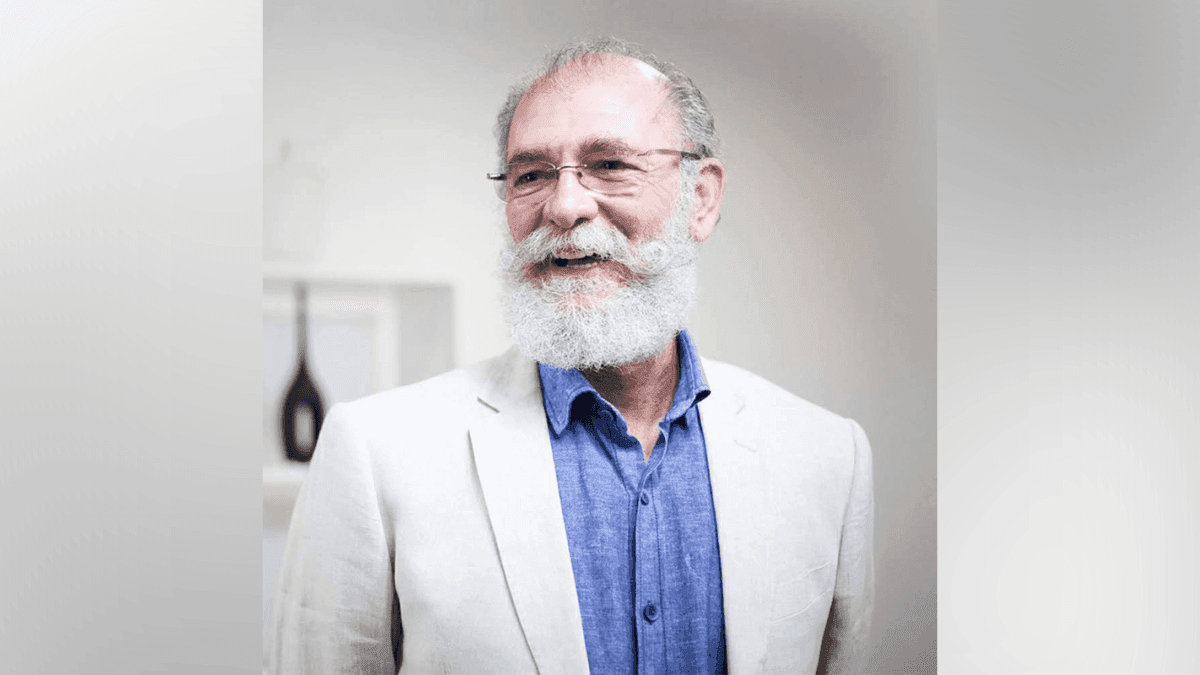
Sobre o uso de enteógenos em tratamentos de dependência química, alcoolismo e tabagismo: “Essas substâncias não têm dose letal, não têm poder de adição e oferecem um horizonte mais eficaz e com menos efeitos colaterais", diz Dr. Wilson Gonzaga | Foto: Div
“No Brasil, até meia-noite, cerca de 38 pessoas irão se suicidar. Isso não é invenção, nem bola de cristal. São dados oficiais do Sistema de Mortalidade do Ministério da Saúde”, disse o psiquiatra Wilson Gonzaga que carrega a gravidade de quem olha para a dor sem desviar os olhos. Para ele, falar sobre suicídio deixou de ser tabu, de ser silenciado pela grande mídia.
Hoje e especialmente no Setembro Amarelo, o convite é claro: escutar, ouvir e se ouvir são atos que salvam vidas. Em 2025, a campanha destaca o tema: Se precisar, peça ajuda. Segundo a Organização Mundial da Saúde (OMS), mais pessoas morrem por suicídio anualmente do que por HIV, malária, câncer de mama, guerras ou homicídios. Entre jovens de 15 a 29 anos, é a quarta principal causa de morte, atrás apenas de acidentes de trânsito, tuberculose e violência interpessoal. No Brasil, dados do Ministério da Saúde mostram que, entre 2016 e 2021, houve aumento de 49,3% nas mortes por suicídio entre adolescentes de 15 a 19 anos e de 45% entre jovens de 10 a 14 anos. As taxas são mais altas entre homens (12,6 por 100 mil) do que entre mulheres (5,4 por 100 mil), refletindo um problema complexo, global e que exige estratégias nacionais eficazes de prevenção.
Com 43 anos de atuação na psiquiatria ele soma mais de 160 mil seguidores no Instagram, e se tornou uma das vozes mais consistentes e claras sobre o papel dos enteógenos na saúde mental. Médico formado pela Santa Casa de São Paulo, idealizador do Instituto Hermes e da primeira especialização em Enteogenia Terapêutica aprovada pelo MEC, ele integra ciência e ancestralidade, clínica e espiritualidade, no esforço de construir uma nova forma de compreender a mente humana.
O primeiro encontro com os enteógenos
A jornada do médico Gonzaga com os psicodélicos começou cedo. Logo no início da carreira, ele teve contato com a ayahuasca e, em suas palavras, sentiu como se tivesse feito quatro anos de análise em apenas uma sessão. “Vi que ali havia um grande potencial para a saúde mental, para a cura. Foi o início de um caminho que sigo até hoje, especialmente no estudo da psilocibina”, conta.
Desde então, ele tem se dedicado a investigar não apenas a dimensão científica dessas substâncias, mas também sua essência espiritual, a ponte entre o humano e o divino que os povos originários já conheciam há milênios.
Ciência e espiritualidade lado a lado
Na especialização em Enteogenia Terapêutica, Gonzaga buscou algo além da psicoterapia assistida por psicodélicos. O diferencial, segundo ele, está em reconhecer a palavra “enteógeno” que significa “manifestação do divino interior” como chave de compreensão. “Essas experiências não são alucinações, mas vivências simbólicas e espirituais. Os enteógenos atuam como pontes entre mundos, e isso precisa estar presente no processo formativo dos profissionais”, explica. Por isso, o corpo docente inclui cientistas, médicos, pajés, dirigentes ayahuasqueiros e estudiosos da tradição ancestral.
Essa integração ecoa também na prática clínica: “Quanto maior a epifania espiritual de uma experiência enteogênica, maior o resultado terapêutico. A ciência já comprova isso”, diz o psiquiatra, citando estudos do Imperial College de Londres sobre psilocibina.
A esperança na saúde mental
Com base em evidências científicas cada vez mais sólidas, Gonzaga vê nos enteógenos uma nova possibilidade para condições graves e resistentes: depressão, ansiedade, transtorno de estresse pós-traumático, dependência química, alcoolismo e tabagismo. “Já sabemos que essas substâncias não têm dose letal, não têm poder de adição. Oferecem um horizonte mais eficaz e com menos efeitos colaterais do que grande parte dos tratamentos disponíveis hoje”, afirma.
Ainda assim, ele reconhece os desafios: a regulamentação lenta, os preconceitos culturais e a necessidade de educação. “A sociedade ainda julga porque carrega a marca de décadas de campanhas equivocadas que colocaram psicodélicos no mesmo balaio de drogas letais. É a ciência que vai desfazer esses mitos. Com mais estudos, mais publicações e mais informação, o preconceito se dilui”, completa.
Entre o ouvir e o se ouvir
O que Gonzaga defende é mais do que a inserção de novas terapias: é a abertura para novas escutas. Seja na academia, nas rodas ancestrais ou nas clínicas do futuro, a escuta verdadeira, de si e do outro, é a ponte mais poderosa que os enteógenos podem nos ensinar a atravessar.